
Trump (May 13–15) and Putin (May 19–20) visited China successively within one week, with the core message that China has become the linchpin/anchor of major-power relations. The US and China are managing differences and engaging in limited cooperation, while China and Russia are deepening strategic coordination and comprehensive alignment. This unprecedented back-to-back visit of US and Russian presidents since the Cold War reflects that neither country can resolve their core issues without China— the US needs to stabilize its economy and supply chains, while Russia seeks to safeguard energy and market access against Western sanctions, making China the world’s greatest source of certainty.
For US-China relations, the shift is from full confrontation to managed competition, controlled differences, and selective cooperation, with agreements reached on an AI dialogue mechanism, agricultural and energy purchases, and partial tariff relief, though high-tech restrictions on chips and batteries remain. For China-Russia relations, the two countries maintain back-to-back comprehensive strategic coordination (not a military alliance) with deep integration in economy, technology and security; bilateral trade has exceeded $200 billion for three consecutive years, and Chinese machinery holds over 80% market share in Russia following the extension of the Treaty of Good-Neighborliness and Friendly Cooperation.
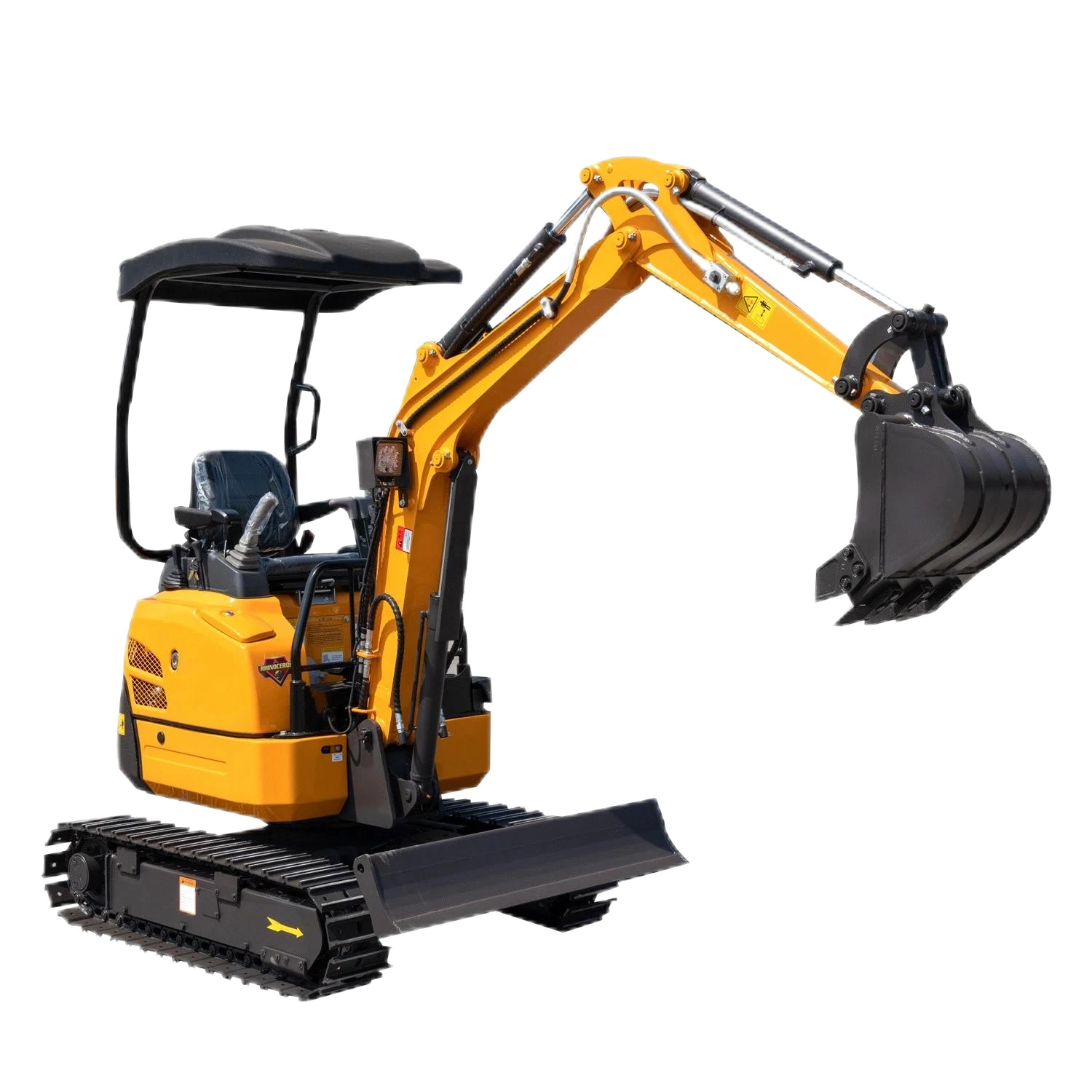
For the electric forklift and mini-excavator industry, opportunities far outweigh challenges. In the short term, exports will be boosted by the expansion of the Russian market and marginal easing of US tariffs— Russian infrastructure, energy and logistics investment will surge, driving demand for mini-excavators and electric forklifts, with simplified local-currency settlement and accelerated local manufacturing reducing costs and risks; electric forklifts and mini-excavators, as non-strategic machinery, are likely to benefit from US tariff relief, though stricter technical reviews for core components will force firms to obtain relevant certifications.
Indirectly, diplomatic stability improves the outlook for domestic infrastructure and real estate, stabilizing domestic demand, while sustained policy support for electrification and intelligentization clarifies industry tech roadmaps, and China-Russia energy cooperation eases cost pressures from battery raw materials. The so-called “shocks” are mainly short-term exchange rate volatility and supply chain disruptions, as well as long-term compliance pressures from higher EU and US standards and geopolitical uncertainty, which essentially drive technological upgrading, regulatory compliance and global market diversification for industry players.
In conclusion, the successive visits highlight China’s role as a global stabilizer and the acceleration of multipolarity, while for the electric forklift and mini-excavator industry, the key is to seize opportunities from the Russian market and US tariff relief, and respond to upgrading pressures through technology, compliance and globalization.