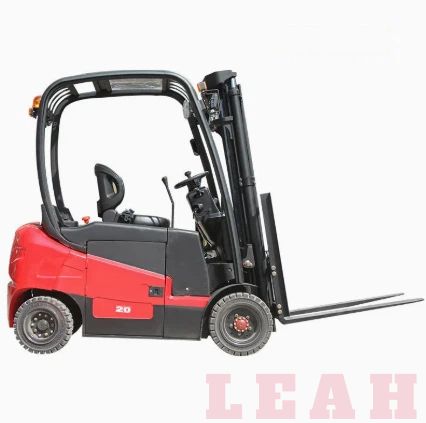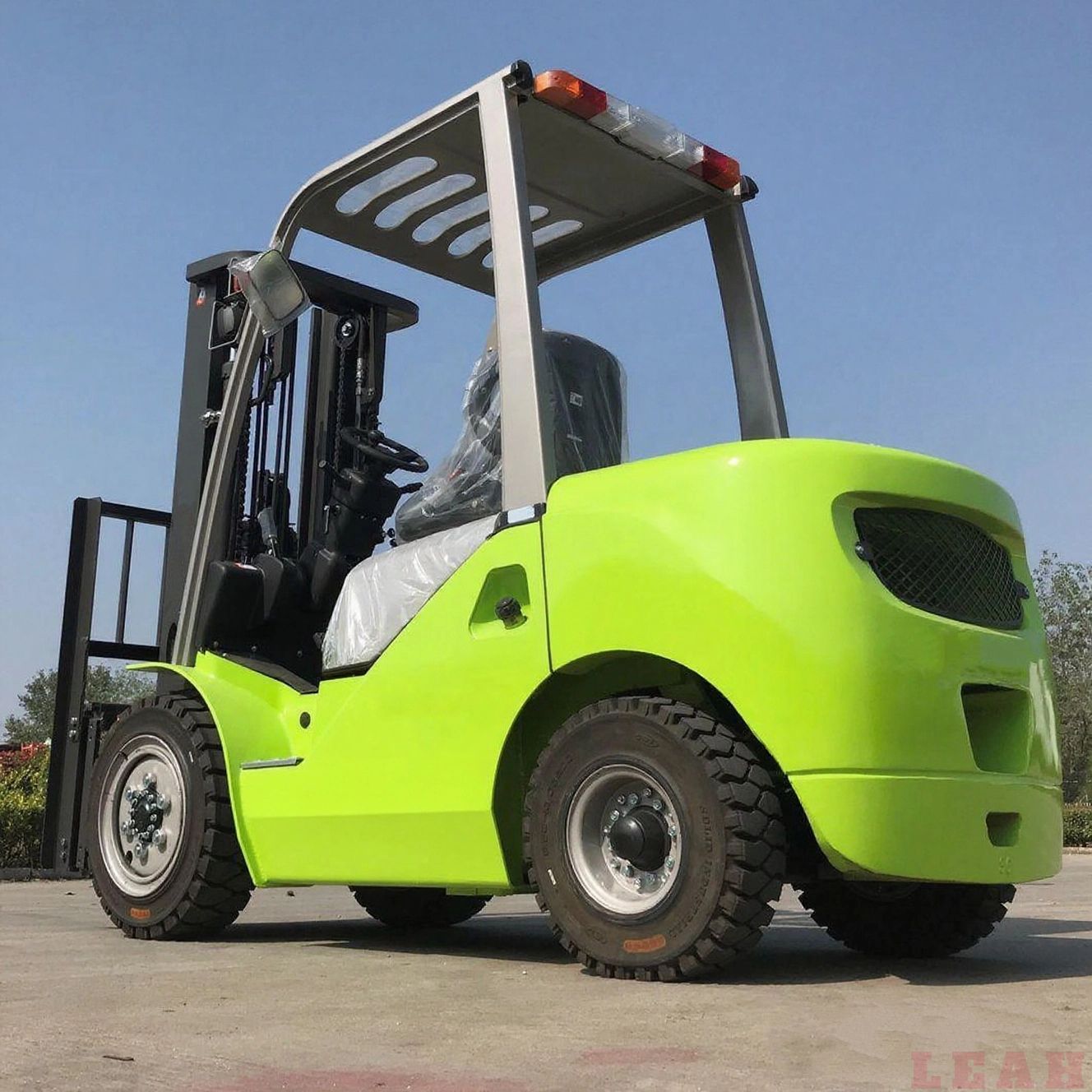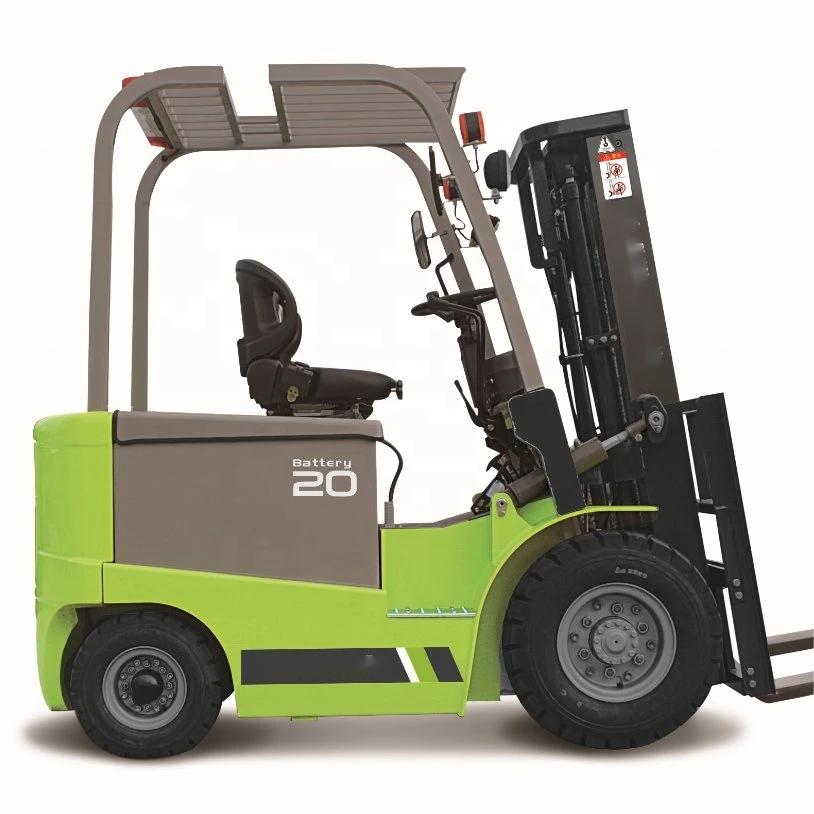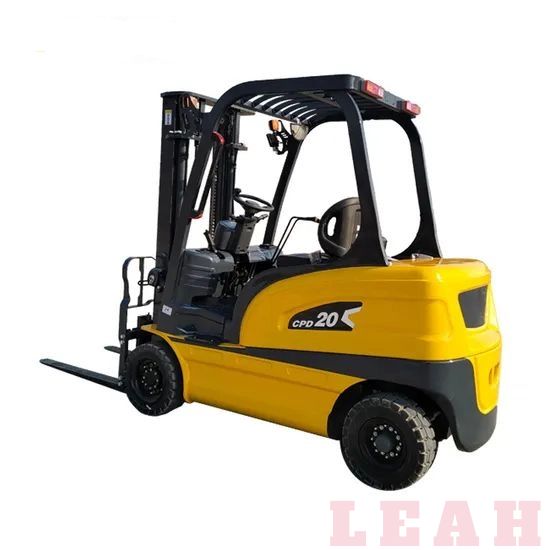

China’s electric forklift technology is overall in the global first tier. It runs neck and neck with international peers in the mid-to-high-end segment, takes the lead in lithium battery technology and cost performance, yet still has shortcomings in high-end core components. China stands as a key player in the global electrification drive and production capacity.
I. Global Position and Market Landscape
Production and Sales Scale: China accounts for over 45% of the world’s electric forklift output and more than 24% of global exports. In 2025, the domestic electrification rate reached 65% and lithium battery penetration hit 40%, both well above the global average. Brand Tiers:
- Tier 1 (High-end): Toyota, Linde and Jungheinrich. They dominate the high-end markets in Europe and America, maintaining leading advantages in precision control, operational stability and advanced intelligent technologies.
- Tier 2 (Mid-to-high-end / Mainstream): Heli and Hangcha, the world’s top two sellers. Their technologies are on par with international standards with outstanding cost performance, and their market shares in Europe and Southeast Asia are growing rapidly.
- Tier 3 (Cost-effective): Ep Equipment, Noblelift and other brands, which focus on warehouse trucks and emerging markets.
II. Maturity of Core Technologies: Strengths and Weaknesses
1. Lithium Battery Power System: Globally Leading
- Batteries: Supported by suppliers such as CATL and BYD, the products feature world-class energy density, over 2,000 charge-discharge cycles and a full charging time of 1.5 hours. China also leads the globe in heavy-duty models, such as the 65-ton lithium-powered forklift developed by Taiyuan Heavy Machinery Group.
- Costs: The complete lithium battery industrial chain is domestically independent and controllable. The vehicle price is only one-third to one-quarter of foreign brands, with total life-cycle costs cut by 30%–40%.
2. Vehicle Design & Manufacturing: Internationally Advanced with Notable Scale Advantages
- Structure: Adopting high-strength steel frames and box-type double-gantry masts produced via automated welding lines, the forklifts see a 30% improvement in torsion and bending resistance, with a better weight-to-load ratio than imported equivalents.
- Manufacturing: Modular platforms and automated production lines deliver a yield rate above 95.5%. The new product development cycle is 45 days, compared with around 90 days for overseas manufacturers.
- Hydraulics & Electronic Control: Domestically developed electronic controllers, permanent magnet motors and energy-saving hydraulic systems reduce energy consumption by 12%–18%. The localization rate of core components exceeds 70%.
3. Intelligent Technology: Catching Up Rapidly with Leading Application Scale
- AGVs & Unmanned Forklifts: Large-scale deployment has been realized at facilities of JD.com, Cainiao and other enterprises. The navigation and dispatching performance of single vehicles is close to international benchmarks. However, high-end LiDAR and high-precision sensors still rely on imports, with a domestic localization rate of roughly 32%.
- Vehicle Networking & Remote Maintenance: Mature domestic solutions enable widespread remote monitoring and fault early warning, with some functions outperforming basic versions from foreign brands.
4. Key Shortcomings (High-end Segment)
IGBT chips, high-precision sensors and premium hydraulic valves remain import-dependent, which affects operational stability under extreme working conditions and long-term reliability.In terms of advanced algorithms and system integration, gaps still exist against Toyota and Linde in the stability and robustness of multi-vehicle collaboration and scheduling for complex scenarios.
III. International Comparison: Conclusions by Dimension
- Lithium Battery Electrification: China takes the lead (supported by complete industrial chain, cost edges and large-scale applications).
- Mainstream Vehicle Performance (3–5 ton models): Neck-and-neck competition (similar technical parameters and reliability with better cost performance).
- Heavy-duty & High-end Scenarios (10+ ton models & extreme environments): In the catching-up phase (foreign brands excel in stability and durability).
- Intelligent Solutions (Unmanned & Fleet Operations): Leading in application scale, while technology is still catching up (large-scale adoption; breakthroughs needed for core components and algorithms).
- Cost & Delivery: Absolute leading position (backed by full industrial chain and large-scale production).
IV. Summary & Trends
China’s electric forklift industry has shifted from following global leaders to running neck and neck while taking partial leads, becoming a core driver of global industrial electrification.In the short term (1–2 years), China will further consolidate its advantages in lithium battery technology and cost performance, and narrow the gaps in high-end components. In the medium term (3–5 years), it is expected to achieve all-round superiority in mainstream tonnage products and make sustained breakthroughs in high-end intelligent technologies.