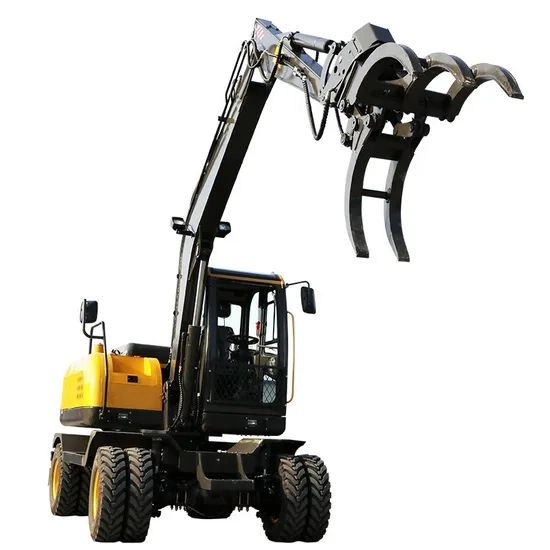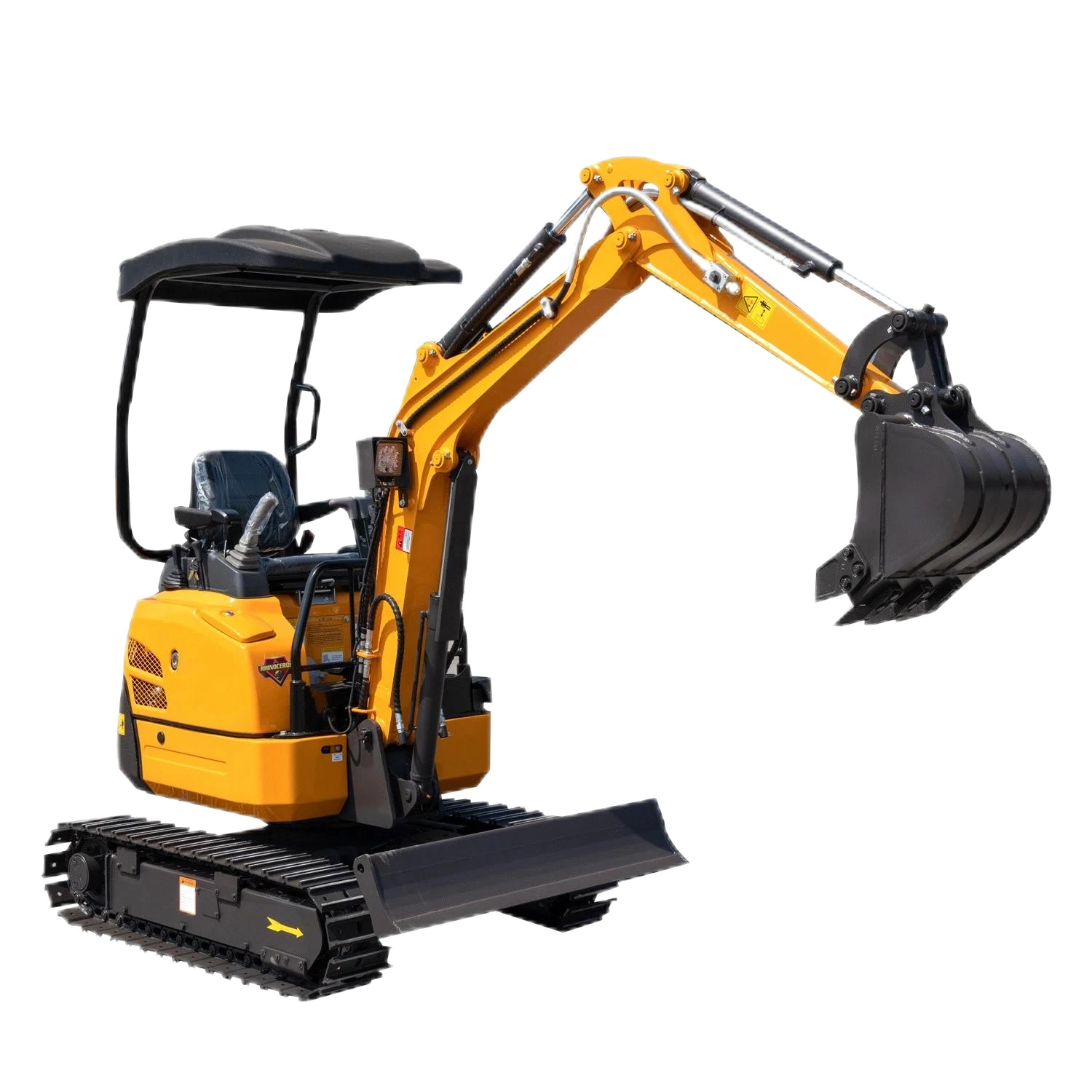

Comprehensive Impacts of China’s Exports of Mini Excavators, Loaders and Heavy-Duty Construction Machinery Following the Entry into Force of the US-Iran Memorandum of Understanding
I. Core Background
Key Dividends of the Memorandum
Upon entry into force, maritime blockades will be gradually lifted, Iran’s crude oil exports will be reopened, and Iran’s frozen overseas assets will be unfrozen. Full sanctions relief will be implemented within 60 days, alongside a USD 300 billion national plan covering infrastructure, energy and urban reconstruction across Iran.
Current Market Landscape
Western construction machinery brands withdrew from Iran long-term due to sanctions. Chinese machinery accounts for 63% of Iran’s total construction machinery imports. Mini excavators, loaders, dump trucks and tractor heavy trucks constitute core equipment indispensable for Iran’s infrastructure construction. In 2024, China’s exports of construction machinery to Iran reached USD 720 million, representing a year-on-year growth rate exceeding 40% for the Iranian market.
Demand Scenarios by Equipment Category
- Mini excavators: Urban renovation, residential infrastructure, minor municipal works, and supporting facilities for oil and gas stations
- Loaders: Sand and gravel mines, port freight yards, construction material stockyards, and farmland renovation projects
- Construction trucks (dump trucks / tractor tankers): Highway and railway construction, ore transportation, oil and gas material transshipment, and urban muck haulage projects
II. Direct Upsides: All-round Improvements in Export Volume, Distribution Channels and Trade Settlement
(I) Sharp Expansion of End-market Orders
Rigid procurement driven by trillion-scale reconstruction projects
The unfreezing of Iran’s overseas assets and revenue growth from crude oil exports will enable the Iranian government to launch numerous projects including highways, railways, ports, petrochemical plants and old town renovations, triggering surging demand across all categories of construction machinery:
- Mini excavators: Extensive renovations of aging residential compounds and underground pipeline networks, alongside a rising number of small private infrastructure projects. Low unit prices and fast return on investment for small-tonnage mini excavators drive bulk purchases by local rental operators.
- Loaders: Resumption of mining operations and restored port throughput boost capacity expansion of sand and building material plants, with 5-ton and 6-ton loaders dominating procurement demand.
- Heavy-duty construction trucks: Severe supply shortages for long-distance transport of construction materials, mine spoil and oil & gas raw materials, most notably dump trucks and fuel tank tractors.
Consolidated market share with no strong Western competitors in the short run
A 60-day negotiation buffer period precedes full sanctions removal. Western brands face a gap of at least 1 to 2 years to resume production, rebuild distribution networks and roll out after-sales service systems. Iranian local distributors and construction enterprises have long established maintenance and spare parts supply chains compatible with Chinese machinery, making domestic equipment their preferred procurement choice in the near term.
(II) Sharp Reduction in Logistics and Shipping Costs
The Strait of Hormuz will be fully reopened within 30 days, lifting maritime blockades. Vessels will no longer need to take circuitous gray shipping routes via third countries, cutting sea transit time by over 30% and substantially lowering ocean freight and transshipment surcharges.Increased global crude supply will drive down international oil prices, reducing fuel costs for domestic machinery manufacturing and component logistics, and widening corporate profit margins.
(III) Significant Easing of Trade Settlement Bottlenecks (Resolution of the Biggest Pain Point)
Previously, U.S. secondary sanctions restricted U.S. dollar settlement channels. Exports to Iran could only be settled via RMB barter trade, crude oil offset payments or third-country transit settlements, resulting in 6–12 month payment collection cycles and steep exchange losses.After the memorandum takes effect, the U.S. will issue financial exemption permits:
- Iran’s frozen overseas USD and EUR assets can be used for formal cross-border payments;
- Supporting RMB clearing channels between China and Iran will be expanded, enabling manufacturers to shorten payment recovery cycles and cut exchange losses. Small and medium-sized enterprises will be willing to accept bulk orders without worrying about prolonged capital advances.
(IV) Coordinated Overseas Expansion of Supporting Industrial Chains
Parallel to Iran’s reconstruction drive, foreign direct investment for local manufacturing and assembly is now permitted. Leading manufacturers (Sany, XCMG, LiuGong, Sinotruk, Shaanxi Automobile) can establish CKD (Complete Knock-Down) assembly plants in Iran:
- Import tariffs on disassembled spare parts of mini excavators and loaders are far lower than those on finished whole machines;
- Local truck assembly reduces import duties, while supporting domestic industrial chains for engines, hydraulic components and tires gain synchronized export momentum, sustaining long-term stable exports of both finished machinery and spare parts.
III. Medium- and Long-term Potential Downsides and Competitive Risks
(I) Return of European, American, Japanese and Korean Brands Intensifies Long-run Competition
Upon completion of the 60-day negotiations and full sanctions relief, Caterpillar, Komatsu, Hyundai Heavy Industries and Mercedes-Benz Trucks will re-enter the Iranian market:
- High-end large-scale machinery will capture oil & gas and large national infrastructure projects;
- Japanese and Korean medium-tonnage loaders and mini excavators will compete for mid-tier market share relying on refined manufacturing craftsmanship;
- European and American heavy trucks will divert high-end logistics truck orders with superior fuel efficiency and service life.
Chinese machinery will retain cost-performance advantages, yet its share of the high-end market will shrink. Pure low-price competition will become unsustainable.
(II) Higher Compliance Barriers for Exports and Rising Technology Control Risks
The memorandum also relaxes U.S. export control reviews, bringing new compliance obligations:Any mini excavators, loaders or heavy trucks equipped with advanced electronic control systems, hydraulic assemblies or emission chips containing U.S.-made components require prior U.S. export licenses for shipment to Iran.The U.S. Bureau of Industry and Security (BIS) will tighten screening for dual-use military-civilian equipment. Extended compliance review procedures will apply to construction trucks and large machinery deployed for energy or border projects.Small and medium-sized exporters with inadequate internal control systems face risks of cargo detention and restricted trade operations.
(III) Iran’s Local Industrial Protection Policies Suppress Finished Machinery Imports
Iran plans to introduce manufacturing support policies in the future, raising import tariffs on finished whole machines and incentivizing local assembly and domestic production of spare parts.Profit margins from pure finished machinery exports will keep shrinking over time. Enterprises must invest in CKD plants and local after-sales service networks to sustain competitiveness.
(IV) Uncertainties Surrounding Geopolitical Negotiations (Risk of Periodic Market Volatility)
The memorandum of understanding is merely a temporary framework, and variables remain in the 60-day technical negotiations. Disagreements in nuclear talks could prompt the U.S. to partially revoke financial and shipping exemptions. Short-term orders, payment recovery and shipping policies may fluctuate repeatedly, so manufacturers should avoid blind capacity expansion predicated on temporary market booms.
IV. Differentiated Impacts by Machinery Category
1. Mini Excavators (Strongest Short-term Beneficiary)
Upsides
Low entry cost for small-batch procurement fuels surging bulk purchases by private rental firms and minor municipal authorities. Simple spare part structures and mature local maintenance networks create short-term barriers for Western brands targeting low-end small-tonnage segments.
Pressures
In the medium to long run, Japanese and Korean compact mini excavators will penetrate mid-tier submarkets, forcing domestic manufacturers to upgrade electronic control and fuel consumption technologies.
2. Loaders (Stable and Sustained Beneficiary)
Persistent rigid demand persists from mines, construction material yards and ports, with domestic 5–8 ton loaders holding irreplaceable cost-performance advantages. Only high-end loaders above 10 tons face competition from Western brands, while mid-tier market share remains largely secure.
3. Construction Trucks (Dump, Tractor and Tanker Trucks; Highest Market Volatility)
Short-term Upsides
One-off large-scale procurement for oil & gas transport, mining haulage and infrastructure construction drives rapid order growth. Logistics fleets will conduct concentrated vehicle replacements following unimpeded settlement channels.
Long-term Pressures
Mercedes-Benz, Volvo and Hyundai heavy trucks will recapture the high-end long-distance transportation market. Iran’s policies supporting its domestic automotive industry will exert the most acute upward pressure on finished truck import tariffs.
V. Response Strategies for Domestic Export Manufacturers
Short Term (60-day Negotiation Window)
Seize the market vacuum left by absent Western brands to accelerate contract signings and expand partnerships with Iranian local distributors. Prioritize marketing cost-effective finished machinery while building spare parts warehouses to lock in existing clients. Optimize RMB settlement channels and reduce the proportion of barter transactions.
Medium to Long Term (After Full Sanctions Relief)
- Tiered product positioning: Retain mass market share with low-end mini excavators and loaders; develop low-fuel-consumption, intelligent machinery to compete against Japanese, Korean, European and American rivals.
- Business model transformation: Shift from pure finished machinery exports to CKD spare part assembly and local factory construction to evade import tariffs.
- Proactive compliance management: Inventory all U.S.-made components installed on machinery and establish an export control compliance audit system to prevent cargo seizure.
- Market diversification: Deepen business in Central Asia and Southeast Asia simultaneously to offset competitive pressures in the Iranian market in later stages.
VI. Conclusion
Short Term (0–2 Years): Clear and Substantial Upsides
Asset unfreezing, unblocked shipping channels and resolved settlement bottlenecks will drive simultaneous growth in export orders and revenue for mini excavators, loaders and construction trucks, solidifying Chinese machinery’s dominant market position in Iran.
Medium to Long Term (Over 2 Years): Emergence of Structural Pressures
The return of European, American, Japanese and Korean competitors, local trade protectionism and stricter export compliance standards will transform the industry’s growth driver from simple volume expansion dividends to comprehensive competition centered on technology and localized operations.
Core Watershed Factor
Enterprises’ long-term survival space in the Iranian market hinges on whether they can leverage existing distribution, after-sales and cost advantages to complete localized industrial deployment and product upgrades.