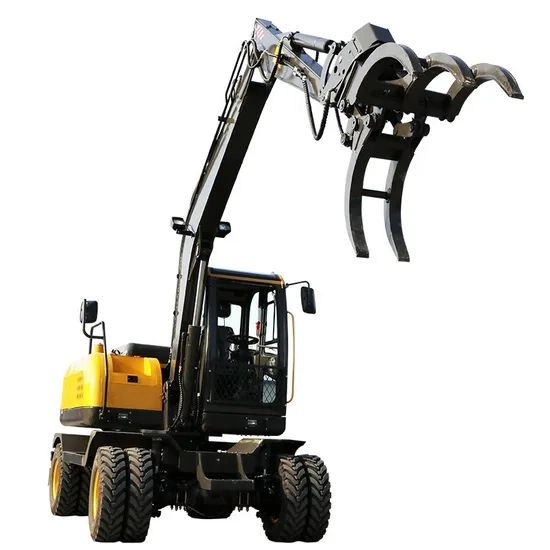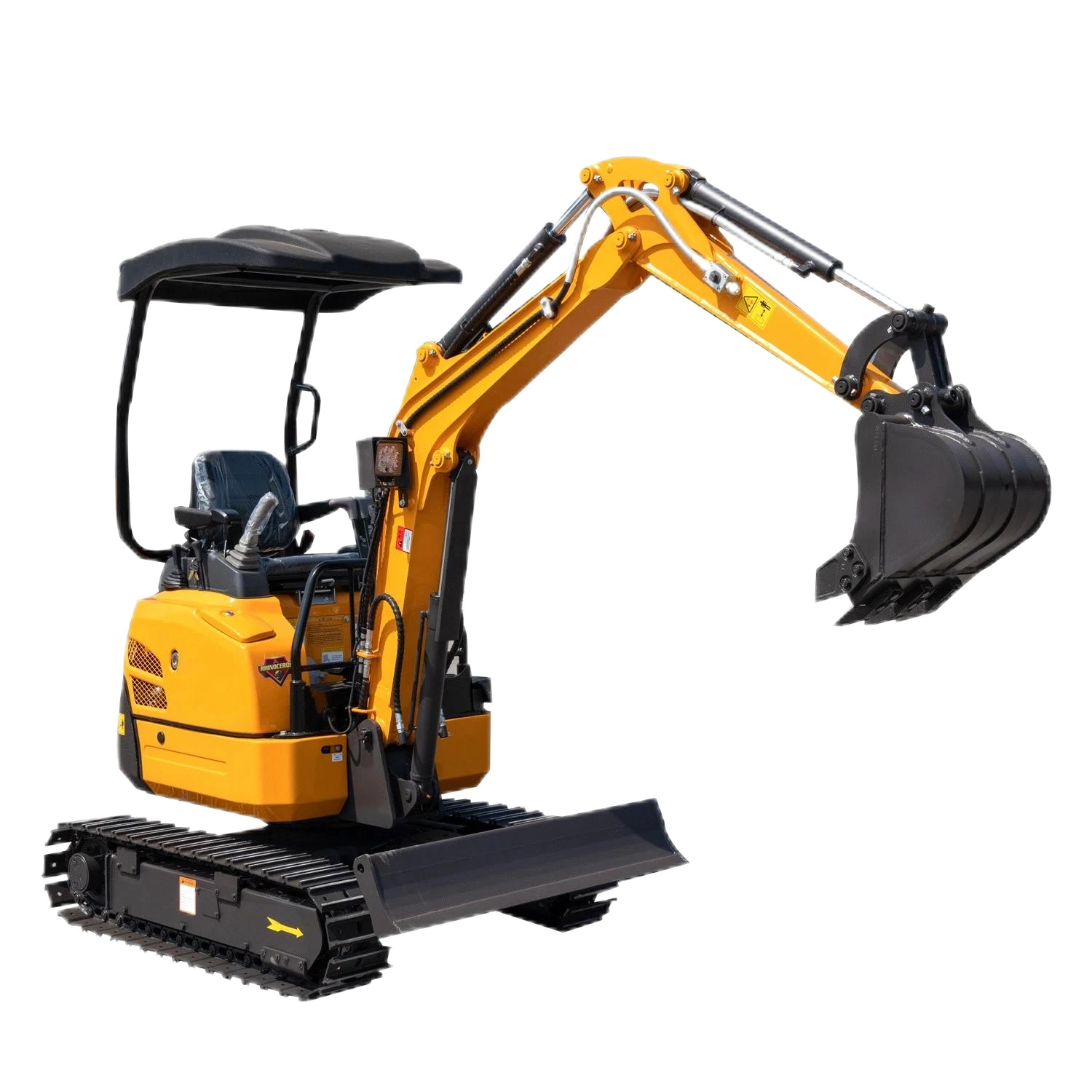

Frequent foreign visits to China are strongly driving exports of electric forklifts and mini excavators across five dimensions: orders, tariffs, settlement, production capacity and branding. Exports will see a sharp short-term surge and structural upgrading in the medium to long run.
I. Core Impacts (Overview)
Short term (3–6 months): Boosted by new contracts, trade fairs and streamlined tariffs/ customs clearance, orders will be released in volume. Export growth of electric forklifts and mini excavators is expected to reach 35%–50%.Medium term (6–18 months): Local currency settlement, free trade agreements and zero-tariff policies, alongside overseas local manufacturing, will cut costs by 10%–20% and raise market penetration.Long term (18 months and beyond): Driven by green infrastructure and industrial chain globalization, the electric-powered segment will account for over 50% of the market. Brands will shift from a cost-performance focus to technology and service competitiveness.II. Specific Benefits by Dimension
1. Integrated diplomacy and business fuel explosive order growth
Most visiting delegations bring procurement lists and engage directly with leading manufacturers including XCMG, Sany, Zoomlion and Heli, as well as the Jining mini excavator industrial cluster.The Prime Minister of Pakistan inspected Sany and finalized plans for the transfer of production capacity for electric forklifts and mini excavators. Procurement teams from Southeast Asia and Africa placed on-site orders at the Canton Fair and Changsha Machinery Exhibition.From January to February 2026, exports of electric forklifts hit $827 million, a year-on-year increase of 33.2%. Mini excavators (including electric models) posted a growth rate above 40% in Southeast Asia, Latin America and Africa.2. Lower tariffs and trade barriers amplify cost advantages
Free trade agreements and zero-tariff policies with multiple countries in Southeast Asia, Africa and Latin America have cut tariffs on electric equipment from 10%–20% to 0–5%.China holds the world’s largest number of AEO Mutual Recognition Arrangements. This has reduced customs inspection rates by over 50%, accelerated clearance procedures and lowered logistics costs by 8%–15%.In Europe and America, eased tariffs and green subsidies have enabled electric forklifts and mini excavators to penetrate the mid-to-high-end market, leveraging their lithium battery and intelligent features.3. Improved settlement and financial services mitigate overseas operational risks
Local currency settlement has been widely adopted between China and Russia, Pakistan, as well as Southeast Asian nations, hedging against exchange rate fluctuations and external sanctions and shortening payment collection cycles by 30%.Expanded export credit and factoring services have strengthened small and medium-sized manufacturers’ order-taking capacity, facilitating large-scale exports of mini excavators and electric forklifts.4. Coordinated production capacity and supply chains enable faster delivery and customized solutions
Multiple countries including Pakistan, Indonesia and Saudi Arabia are negotiating local assembly and manufacturing projects. These moves help bypass tariffs, get closer to end markets and shorten delivery cycles to 7–15 days.China boasts a mature supporting industrial chain for lithium batteries, motors and hydraulic components. The local supporting rate for Jining’s mini excavator industry stands at 60%–70%, enabling rapid customized production at lower costs.5. Synergy between green initiatives and infrastructure drives structural demand upgrading
Global emission reduction goals: Internal combustion engine phase-out timetables in Europe, America and Southeast Asia are accelerating the replacement of traditional equipment with electric forklifts and mini excavators. The electric product penetration rate is projected to reach 15%–25% in 2026.The Belt and Road Initiative, infrastructure development across Africa and manufacturing relocation in Southeast Asia have triggered soaring demand for compact, flexible and low-noise machinery. Mini excavators (1–6 tons) have become mainstream equipment.Market demand is booming across scenarios: electric forklifts for warehouses and ports, electric mini excavators for municipal works, landscaping and agriculture, and general mini excavators for residential projects and small-scale engineering overseas.III. Key Growth Markets (2026)
- Southeast Asia (Core Market): Indonesia, Vietnam, Thailand. Driven by infrastructure and manufacturing growth, exports of electric forklifts and mini excavators grow by over 40%.
- Africa (High-Growth Market): Nigeria, Kenya, Ethiopia. Mini excavator exports rise by over 50%, supported by huge infrastructure demand and price-sensitive buyers.
- Latin America (Potential Market): Brazil, Mexico, Chile. Electric forklift exports grow by over 35%, fueled by expanding e-commerce and warehousing sectors.
- Europe (High-End Market): Germany, France, the Netherlands. Lithium-ion electric forklifts achieve over 25% growth amid rising demand for environmental protection and automation.
IV. Risks and Challenges
- Short term: Surging orders lead to tight production capacity, delayed deliveries and rising raw material prices.
- Medium term: Intensified competition from Japanese and South Korean brands offering price cuts and local counterfeiting, plus mounting pressure on product certification and after-sales services.
- Long term: Technical barriers and green subsidy policies in Europe and America require accelerated upgrading toward high-end, intelligent and service-oriented products.
V. Recommendations for Enterprises
- Secure orders: Follow procurement delegations from visiting countries, attend the Canton Fair and Changsha Machinery Exhibition, and prioritize cooperation with buyers from Southeast Asia, Africa and Latin America.
- Cut costs: Adopt local currency settlement, obtain AEO certification and launch local assembly; sign long-term supply contracts for lithium batteries and core components.
- Optimize products: Increase investment in lithium battery technology and intelligent functions (unmanned/remote control); develop products adapted to high-temperature, high-humidity and dusty working conditions overseas.
- Improve services: Build overseas warehouses and local after-sales networks, and launch financial leasing services to enhance customer loyalty and product premium capacity.