
Most people ultimately choose mini excavators for one core reason:Large excavators can’t access tight spaces, manual labor is too slow, and costs are unsustainable—mini excavators solve all these problems perfectly.
I’ll summarize the most practical and down-to-earth reasons, which apply whether you buy, rent, or use them for projects:
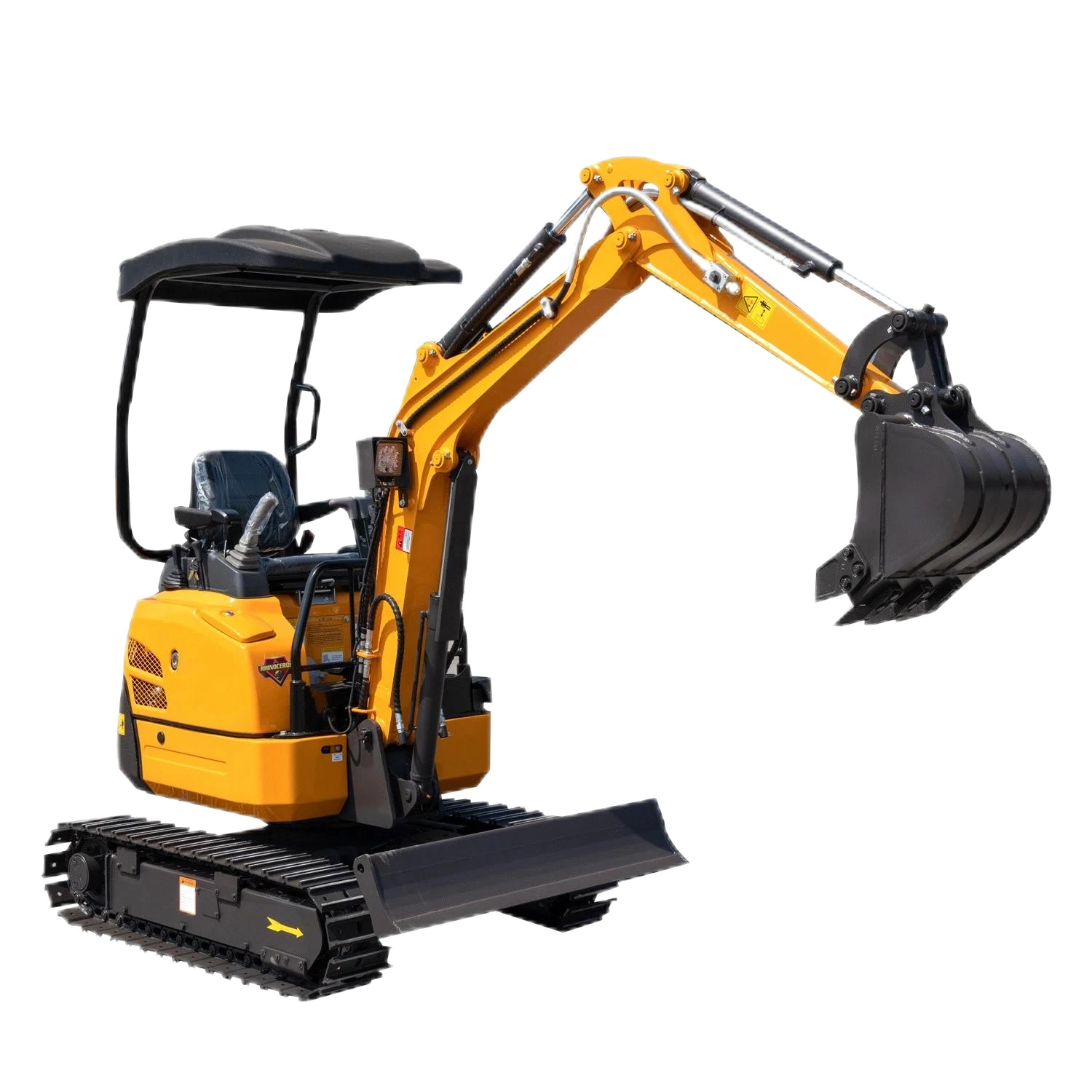
- Access to unreachable spaces (core advantage)Only 90cm to 1.3m wide, they fit into elevators, hallways, basements, alleys and narrow lanes.For indoor demolition, rooftop construction, and old community renovation, large excavators simply cannot enter—only mini excavators work.With zero-tail swing and retractable undercarriage, they can dig freely along walls and corners without damaging buildings.
- Replace manual labor with far higher efficiencyOne mini excavator ≈ the workload of 8 to 15 workers.Trenching, digging, breaking and backfilling work that takes laborers a full day can be finished by a mini excavator in hours.As labor becomes more expensive and harder to hire, mini excavators are the most cost-effective machine replacement for workers.
- Low operating costs and fast paybackLow fuel consumption: fuel cost only ¥10–20 per hour.Simple maintenance: filters and engine oil are inexpensive, and failure rates are much lower than large excavators.Moderate rental rates, high job demand and easy contracting mean small-tonnage models generally pay off faster than large excavators.
- Wide application, versatile and always in demandMini excavators are the real "all-rounder" in construction:Municipal pipeline, gas, water supply and telecom constructionOld community renovation, septic tank and sewage well installationLandscaping, tree planting, digging and trail buildingOrchard trenching, greenhouse tilling, rural housing construction and toilet renovationIndoor demolition, elevator shaft work, basement and rooftop constructionSmall photovoltaic foundations, small slope protection and river dredging
In short: miscellaneous, small and scattered jobs are all dominated by mini excavators.
- Easy transportation, drivable with a Class C license1–3 ton mini excavators can be towed by blue-brand small trucks and pickups.No need for large flatbed trucks or special transport permits.Flexible relocation within cities, allowing easy movement between different job sites.
- Low investment threshold and low riskNew machines mostly cost from tens of thousands to around ¥100,000.Abundant used options, with milder depreciation than large excavators.Mature rental market ensures high rental demand.Compared with large excavators costing hundreds of thousands or millions, mini excavators create much less entry pressure for new operators.
- More favorable amid stricter policies and urban constructionLarge excavators are restricted in urban areas due to road occupation, high noise and disturbance.Mini excavators are the main force in urban renewal, sponge city construction and pipeline renovation.With strict environmental and construction standards, mini excavators are smaller, low-vibration and safer.
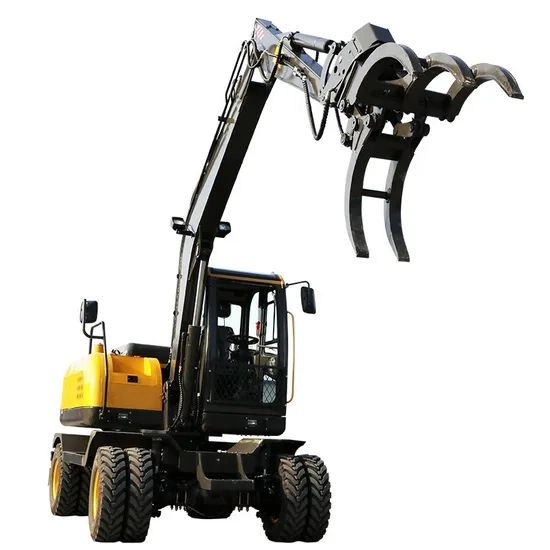
- Multi-purpose with high added valueDifferent jobs can be done by changing attachments:Breaker → wall demolition and ground breakingAuger → hole digging, tree planting and photovoltaic pilingGrapple → handling timber and wasteSweeper → site cleaning
Truly one machine for multiple businesses.
Brief summary
People choose mini excavators because:They access tight spaces, improve efficiency by replacing labor, have low costs and fast payback, enjoy wide job demand, enable flexible transport with a low entry barrier, and align with urban construction trends.
They are the most practical, stable and profitable construction machine for beginners to earn money easily.