
Core Export Market List for China’s New Energy Forklifts, Electric Excavators & Electric Loaders
Key differences upfront:New energy forklifts feature the highest market maturity with widespread global distribution; electric loaders are in a rapid volume growth phase; electric excavators are dominated by small & micro-sized models, concentrated in regions with stringent environmental policies. While the three product categories overlap in target markets, their application scenarios are entirely distinct.
I. European Market (Premium Core Market for All Three Categories)
Core countries: Germany, the Netherlands, Belgium, the United Kingdom, France, the Nordic region (Norway, Sweden), Poland
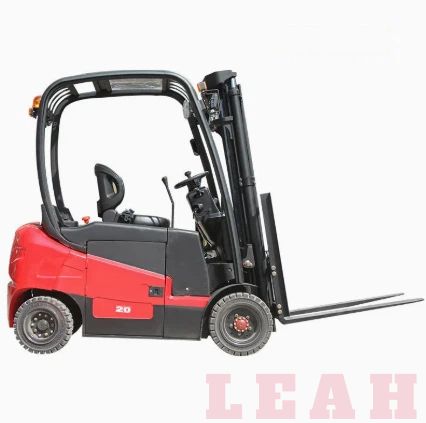
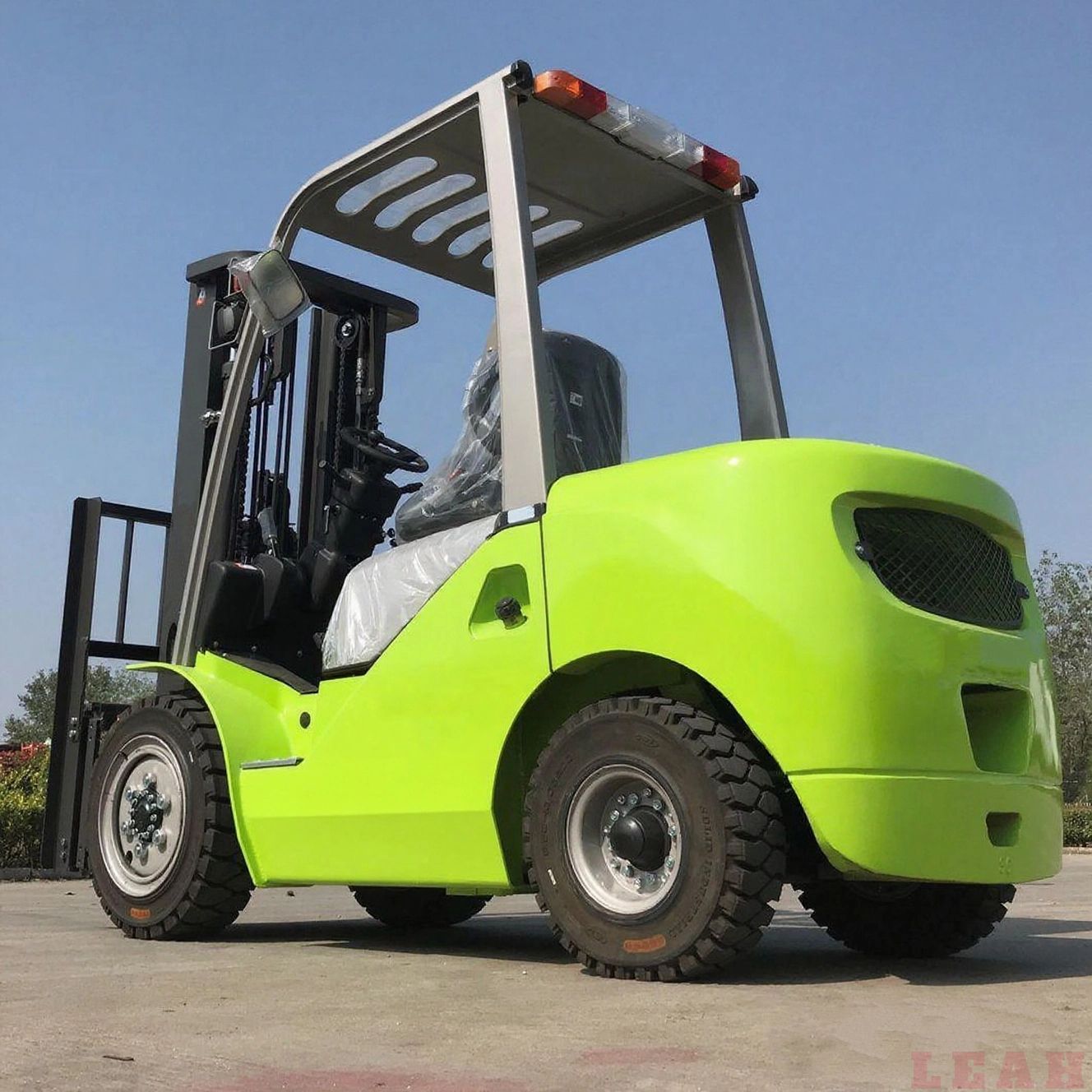
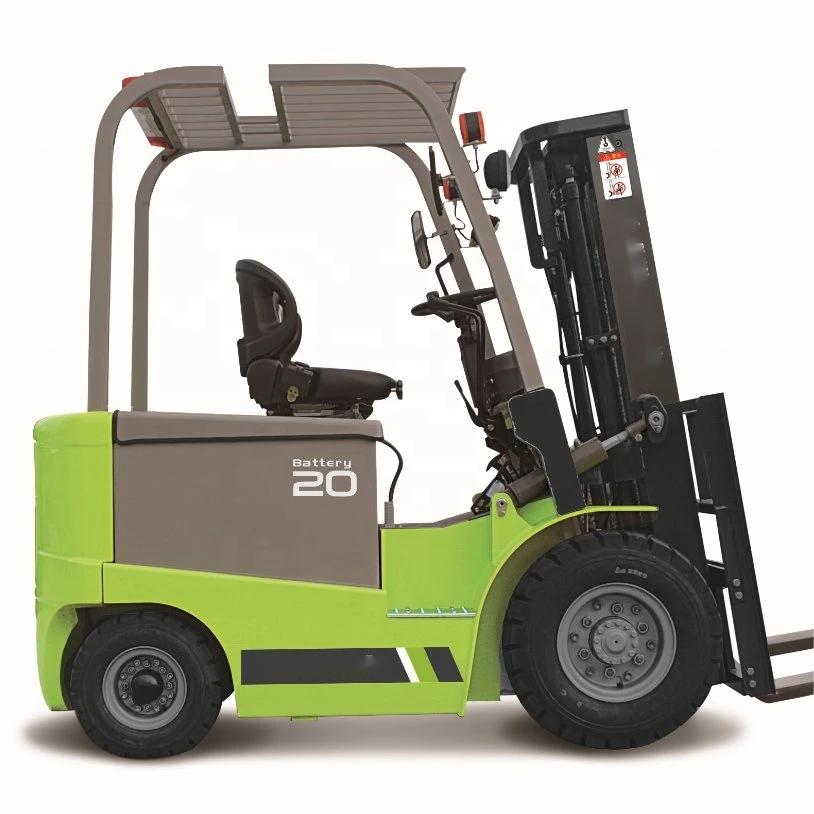
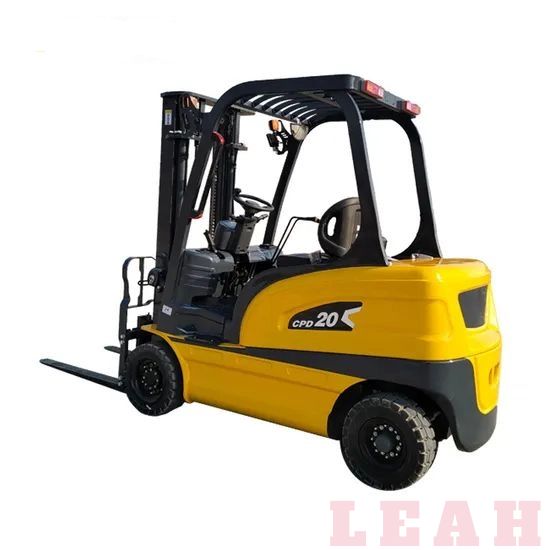
- New Energy ForkliftsEurope represents China’s largest overseas market for electric forklifts. Electric forklift penetration across the region exceeds 85%. Continuous replacement demand exists in logistics warehousing, ports, manufacturing and cold chain sectors. CE certification serves as a mandatory market access threshold. The U.S. and Germany consistently rank among the top two importers of electric forklifts globally.
- Electric Loaders & Electric ExcavatorsEU Low Emission Zones (LEZ), Stage V regulations and zero-emission requirements for urban construction sites are driving robust demand. ✅ Primary demand: electric loaders below 6 tons and micro electric excavators under 6 tons, deployed for old town renovation, indoor demolition, landscaping and municipal works. Large heavy-duty electric loaders remain mostly limited to pilot projects.
Market characteristics: Customers prioritize certifications, noise performance and after-sales maintenance. Clients have sufficient budgets and are sensitive to total cost of ownership, which aligns well with the economic case amid high fuel prices.
II. Southeast Asia (Key Belt & Road Incremental Market, Critical Zone along Hormuz Strait Trade Routes)
Core countries: Indonesia, Vietnam, Thailand, Malaysia, Singapore, the Philippines
Demand Structure
- New Energy Forklifts: Rigid demand from ports, industrial parks, rubber & palm oil processing plants and logistics warehouses. Standards in Singapore and Malaysia are relatively high; Vietnam and Thailand mainly demand cost-effective lithium-ion forklifts.
- Electric Loaders: Strong demand from nickel ore & bauxite fixed stockyards, cement plants and sand quarries in Indonesia. Reliance on imported diesel makes operators highly responsive to price volatility, accelerating electric equipment substitution.
- Electric Excavators: Demand concentrates on micro and small excavators for urban infrastructure, real estate development and factory renovation. Adoption of large mining electric excavators grows slowly due to insufficient grid supporting infrastructure.
Key opportunities: Shipping routes connect with the South China Sea and Middle East shipping lanes. If tolls on the Strait of Hormuz push up fuel prices, purchasing willingness among resource-rich Southeast Asian nations will rise further.
III. Middle East Market (Directly Linked to the Strait of Hormuz dynamics discussed earlier)
Core countries: Saudi Arabia, UAE, Qatar, Oman, Kuwait
Demand Characteristics
- New Energy Forklifts: Sustained procurement by ports (Jebel Ali, King Abdulaziz Port), logistics parks, petrochemical plants and warehouses. Electric models are preferred in enclosed industrial zones to cut diesel storage and transportation costs.
- Electric Loaders: Currently the fastest-growing product category. Major demand comes from NEOM (Saudi Arabia), sustainable cities in Dubai, cement plants and aggregate yards. Abundant local photovoltaic resources create favorable conditions for supporting charging infrastructure.
- Electric Excavators: At present, demand is limited to small electric excavators for municipal works and new city construction; open-pit heavy mining still relies on diesel machinery.
✅ Core logic: Despite domestic oil production, large-scale green projects are subject to mandatory low-carbon standards. When oil prices rise, project owners are more inclined to calculate long-term electricity costs for electric equipment.Risk factor: High summer ambient temperatures impose strict requirements on battery thermal management; products need targeted thermal optimization.
IV. Russian-speaking Markets (Russia, Central Asian Five States: Kazakhstan, Uzbekistan)
- New Energy Forklifts: Russia ranks among top importers of electric forklifts, with continuous renewal demand from warehousing, cross-border logistics and manufacturing sectors.
- Electric Loaders & Electric Excavators: Stable demand from mining, agriculture and infrastructure. Chinese brands enjoy strong channel advantages. Constraints: Low winter ambient temperatures require low-temperature battery variants; penetration of electric machinery remains lower than diesel alternatives for now.
V. North American Market (United States, Canada)
- New Energy Forklifts: The U.S. has long been the world’s largest importer of Chinese electric forklifts, representing a massive stock replacement market for e-commerce warehousing, manufacturing and ports. Market access requires EPA certification and compliance with local safety standards.
- Electric Loaders & Electric Excavators: Still in the market introduction phase. Demand leads in states with strict environmental regulations such as California and New York. Fierce competition from local manufacturers; market entry relies on medium & small-sized electric equipment.
VI. Oceania (Australia, New Zealand)
- Australia: Stable demand for electric forklifts at ports, mines and agricultural sites, plus electric loaders for fixed open-pit mine yards. Strict environmental regulations make buyers willing to accept higher upfront purchase costs.
- New Zealand’s demand centers on small electric excavators and forklifts for municipal works.
VII. Latin American Market (Brazil, Chile, Peru, Mexico)
- Brazil: The largest construction machinery market in South America with substantial forklift import demand, driven by mining and agricultural logistics. NR12 safety certification is compulsory.
- Chile & Peru: Major global producers of copper and lithium ore. Large mining conglomerates run pilot deployments of electric loaders and electric haulage equipment. Multinational mining firms tend to procure zero-emission machinery. Weaknesses: High tariffs and complicated customs clearance in some countries; infrastructure funding is vulnerable to commodity price cycles.
VIII. Key African Markets (South Africa, Guinea, Ghana, the DRC)
- Electric loaders stand to benefit most: deployed for material transfer at mining stockyards. High costs for imported diesel create extreme sensitivity to oil price swings.
- Forklift demand concentrates in ports and large processing plants. Low penetration of electric excavators, restrained by inadequate power grid coverage.
Categorized Market Priority Summary (Reference for Enterprises Going Global)
1) New Energy Forklifts (Mature, Ready for Full-scale Rollout)
Tier 1 Markets: Europe, the United States, Southeast Asia (Singapore, Vietnam, Thailand)Tier 2 Markets: Russia, Australia, the Middle East (UAE, Saudi Arabia), Brazil
2) Electric Loaders (Highest Export Growth Rate Currently)
Tier 1 Markets: Southeast Asia (Indonesia), the Middle East, Europe, Australian mining marketsTier 2 Markets: Latin America (Chile, Peru), South Africa, Central Asia
3) Electric Excavators (Micro Excavators to Lead Adoption; Large Excavator Market Still Under Development)
Tier 1 Markets: Europe, Singapore, new city construction projects in the Middle East, urban municipal works in AustraliaTier 2 Markets: Urban infrastructure markets in Vietnam, Thailand and other Southeast Asian economies
Strategic Implications Linked to Strait of Hormuz Toll Policies (Continuation of Previous Discussion)
- Regions set to benefit most: Middle East, resource-rich Southeast Asian nations, African mining economies These regions are heavily reliant on imported crude oil. Tolls levied on transit through the strait will push up delivered diesel prices, widening the operating cost gap between diesel and electric equipment. Demand growth order: electric loaders > new energy forklifts > electric micro excavators.
- Structural opportunities:Electric forklifts for port scenarios show the strongest certainty, as all global trade ports will face higher fuel and shipping costs. Electric loaders for open-pit mines and stockyards follow next. Electric excavators operating at remote construction sites without grid power remain constrained.
- Risk reminder: Sharp oil price surges may trigger a global economic slowdown and contraction in infrastructure budgets across emerging markets. While overall market demand may face headwinds, electric equipment will capture a larger share of new procurement orders — representing a structural market trend.