I. Impact of Hormuz Strait Toll Policies on Global Energy Markets
The Hormuz Strait handles approximately 30% of global seaborne crude oil and 25% of global seaborne LNG, serving as the core strategic chokepoint of global energy supply. Two competing toll schemes have currently taken shape: Iran’s tiered transit service fee scheme and the 20% cargo value-based transit fee proposed by the United States. The implementation of either scheme will reshape the global energy market from three dimensions: short-term price fluctuations, medium- and long-term supply patterns, and trade rules.
(I) Short-term Impacts: Sustained Geopolitical Risk Premium in Oil Prices and Structural Rise in Transportation Costs
1. Rising CIF Costs of Crude Oil and Natural Gas
Under Iran’s tiered toll mechanism, the transit fee is equivalent to an additional cost of USD 1–3 per barrel of crude oil. Coupled with the skyrocketing war insurance premiums and a 10–20 day extension of shipping voyages caused by vessel diversions via the Cape of Good Hope, daily tanker charter rates have risen sharply. If the U.S. 20% cargo value-based toll is implemented, the cost shock will amplify more than tenfold. The increased costs will eventually be passed downstream, driving up prices of gasoline, diesel, industrial fuel and chemical raw materials.
2. Significant Rise in Oil Price Volatility
The market continues to price in navigation uncertainties in the Hormuz Strait, pushing up the central level of Brent crude oil prices. Oil prices surge rapidly whenever expectations of toll implementation and traffic control tightening intensify, imposing higher fuel costs on global manufacturing, logistics and infrastructure sectors.
3. Reduced Shipping Efficiency and Diversified Route Patterns
Some shipowners choose to reroute vessels around Africa, prolonging the voyage cycle of routes from the Persian Gulf to East Asia. Continuous consumption of tanker shipping capacity further drives up sea freight rates. LNG carriers are also under pressure, triggering a linked rise in natural gas prices across Asia and Europe.
(II) Medium and Long-term Impacts: Restructuring of the Global Energy Supply Chain
1. Diversification of Crude Oil Trade Flows
Energy-importing countries are accelerating procurement diversification by increasing crude oil purchases from Russia, West Africa and the Americas. Gulf countries are also speeding up the expansion of onshore oil pipelines (including Saudi Arabia’s East-West Pipeline and UAE pipelines) to reduce reliance on the single strait shipping route. However, the limited throughput capacity of pipelines cannot completely replace seaborne transportation.
2. Accelerated De-Dollarization in Energy Trade
Iran has promoted settlement of transit fees in RMB and Iranian Rial, with some Asian buyers following suit. The proportion of non-dollar settlements in oil trade is gradually increasing, weakening the long-standing dollar-dominated oil settlement system.
3. Strengthened Expectations for Energy Transition
The market has priced in the sustained additional transportation costs and geopolitical supply disruption risks of fossil energy. This has prompted countries worldwide to accelerate the deployment of renewable energy, energy storage and electric equipment, putting downward pressure on the long-term demand outlook for fossil fuels.
(III) Differentiated Regional Impacts
Highly dependent economies (Japan, South Korea, India, Europe): Facing rising inflation pressure and increased manufacturing costs.China: Over 60% of China’s imported crude oil passes through the Hormuz Strait. Under the tiered toll framework, Chinese vessels enjoy preferential transit terms, resulting in a weaker direct cost impact compared with U.S. allies. Nevertheless, the global rise in oil prices brings imported inflation pressure to China.Gulf oil-producing countries: Benefiting from higher oil prices in the short term; yet concerned about buyers’ long-term initiative to reduce reliance on Middle Eastern crude oil.
II. Two-way Impacts on China’s Exports of New Energy Forklifts, Electric Excavators and Electric Loaders
Core logic: Hormuz Strait tolls → rising fuel costs → increased operating expenses for diesel construction machinery → enhanced full-life-cycle economic advantages of electric equipment. Meanwhile, the sector faces negative constraints from shrinking global demand and rising sea transportation costs, with favorable effects concentrated in scenarios of sustained high oil prices.
(I) Positive Driving Factors (Core Beneficial Logic)
1. Widened Oil-Electric Operating Cost Gap Stimulates Overseas Replacement Willingness
Fuel cost constitutes the largest operating expenditure for construction machinery.
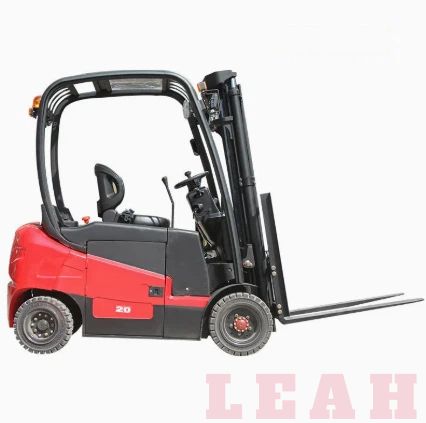
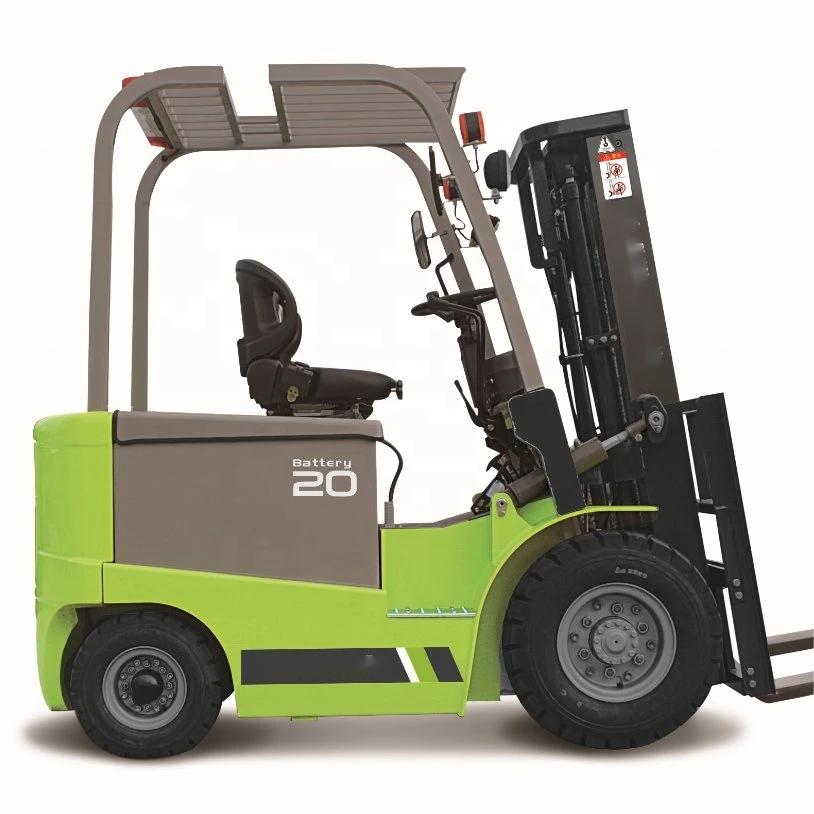
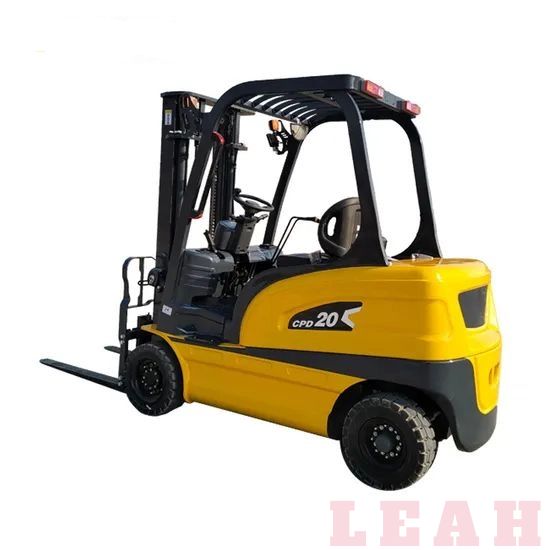
Electric forklifts (warehouse and port scenarios): Featuring stable working conditions and continuous operation, electric forklifts have the shortest payback period and are the earliest beneficiary product category. Foreign trade ports are generally equipped with charging infrastructure. Global ports are actively cutting operating expenses amid rising shipping costs, accelerating the replacement of diesel forklifts with electric models.Electric loaders: Widely used in fixed scenarios such as mining areas, stockyards and cement plants. Under high oil prices, the annual diesel cost of electric loaders is hundreds of thousands of US dollars lower than that of diesel models of the same tonnage, boosting procurement willingness among overseas leasing companies and mining enterprises.Electric excavators: Small and medium-sized micro-excavators are the primary beneficiaries in urban municipal construction scenarios. Large heavy-duty mining excavators are still restricted by insufficient charging conditions, while demand for electric excavators in urban zero-emission projects (such as new urban construction in the Middle East and European infrastructure projects) is growing rapidly.
2. Boosted Demand in Key Target Markets
1) Middle East MarketLarge-scale new city projects such as NEOM in Gulf countries mandate low-carbon construction. Rising oil prices, coupled with abundant local photovoltaic resources and improving charging infrastructure, create favorable conditions for electric equipment application. The Middle East construction machinery market has long relied on European and American brands, and Chinese new energy construction machinery highlights outstanding cost-performance advantages, leaving huge incremental space for exports of electric loaders and forklifts. Supplement: Under the strait’s tiered transit policy, Chinese vessels enjoy transit advantages, facilitating the delivery of complete machinery units and spare parts from China to the Middle East.2) African and Central Asian Resource CountriesMining operations in these regions are continuously expanding. These countries rely on imported diesel, and oil price fluctuations impose severe cost shocks on mining enterprises, driving them to adopt electric equipment to hedge against fuel price risks.3) European and Southeast Asian MarketsEurope’s stringent carbon emission regulations, superimposed with soaring diesel prices, drive equipment electrification. The continuous expansion of ports and industrial parks in Southeast Asia sustains steady growth in demand for electric forklifts.
3. Amplified Competitive Advantages of Domestic Products
Caterpillar and Komatsu price their overseas electric models at a premium. Benefiting from a complete lithium battery supply chain, Chinese new energy construction machinery boasts obvious advantages in complete machine pricing. In a high oil price environment, customers no longer focus solely on initial procurement costs but pay more attention to 5–8 year full-life-cycle costs, further widening the competitive edge of domestic electric equipment.
(II) Negative Constraints and Risks)
1. Sustained High Oil Prices Fuel Global Inflation and Curb Overall Infrastructure Investment
Long-term sharp rises in oil prices will pressure global economic growth and prompt governments to cut infrastructure budgets, leading to a decline in overall market demand for construction machinery. Structural differentiation will emerge: demand for diesel equipment will drop more significantly, while the market share of new energy equipment will rise, though its absolute sales volume may be offset by macroeconomic recession.
2. Rising Sea Freight Costs for Complete Vehicle Exports
Escalating tensions in the Hormuz Strait have pushed up global shipping insurance premiums and ocean freight rates. China’s construction machinery exports are dominated by ocean shipping, and rising freight rates squeeze profit margins of manufacturers and distributors, increasing delivery costs for small-batch orders.
3. Infrastructure Shortcomings Restrict Market Penetration
Mining sites and construction sites in underdeveloped markets lack stable power grids and charging facilities. Despite strong customer willingness to purchase electric excavators and loaders, energy replenishment bottlenecks restrict large-scale replacement, while electric forklifts are minimally affected by this constraint.
4. Fluctuations in Battery Raw Material Prices
Energy market tensions drive up prices of bulk commodities such as lithium and copper, increasing the production costs of power batteries and squeezing the gross profit margin of new energy equipment.
III. Category Prospect Summary and Scenario Simulation
Scenario 1: Implementation of Only Iran’s Tiered Toll (Mild Benchmark Scenario, Higher Probability)
Global oil prices rise moderately with increased volatility, and no systematic shipping blockade occurs.Benefit ranking: Electric forklifts > Electric loaders > Small and medium-sized electric excavatorsChina’s new energy construction machinery exports will maintain structural prosperity, with significant growth in orders from ports and mining areas in the Middle East and Southeast Asia. Enterprises are advised to focus on customers with mature charging infrastructure and fixed operation scenarios.
Scenario 2: Implementation of U.S. 20% Cargo Value-based Toll / Sustained Navigation Disruptions (Extreme Risk Scenario)
Oil prices surge sharply, and multiple global economies face stagflation risks.In the short term, the relative advantages of electric equipment will rise to an extreme level;In the medium and long term, global infrastructure investment will contract, putting pressure on all construction machinery exports. The industry can only offset overall market decline through increased market share of electric replacement.
IV. Reference Countermeasures for Export Enterprises
Hierarchical Market Layout: Prioritize deep cultivation of scenarios with sound charging infrastructure including ports, large stockyards and industrial parks, and mainly promote electric forklifts and electric loaders.Product Optimization: Equip products with supporting energy storage chargers and battery swap versions to solve energy replenishment pain points at overseas construction sites.Regional Preference: Increase promotion efforts in resource-rich countries in the Middle East, Southeast Asia and Latin America; leverage Chinese vessels’ preferential strait transit policies to stabilize delivery routes to the Middle East.Innovative Business Models: Promote equipment leasing models to reduce customers’ one-time investment threshold and highlight the long-term power-saving economic advantages of electric equipment.Risk Hedging: Lock in long-term ocean shipping contracts in advance to avoid fluctuations in freight and insurance premiums.