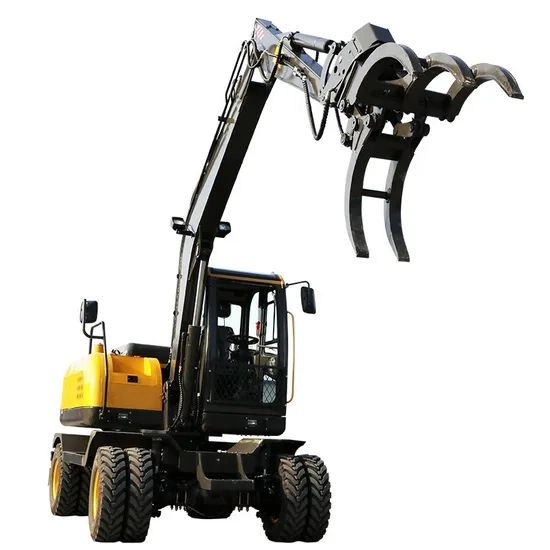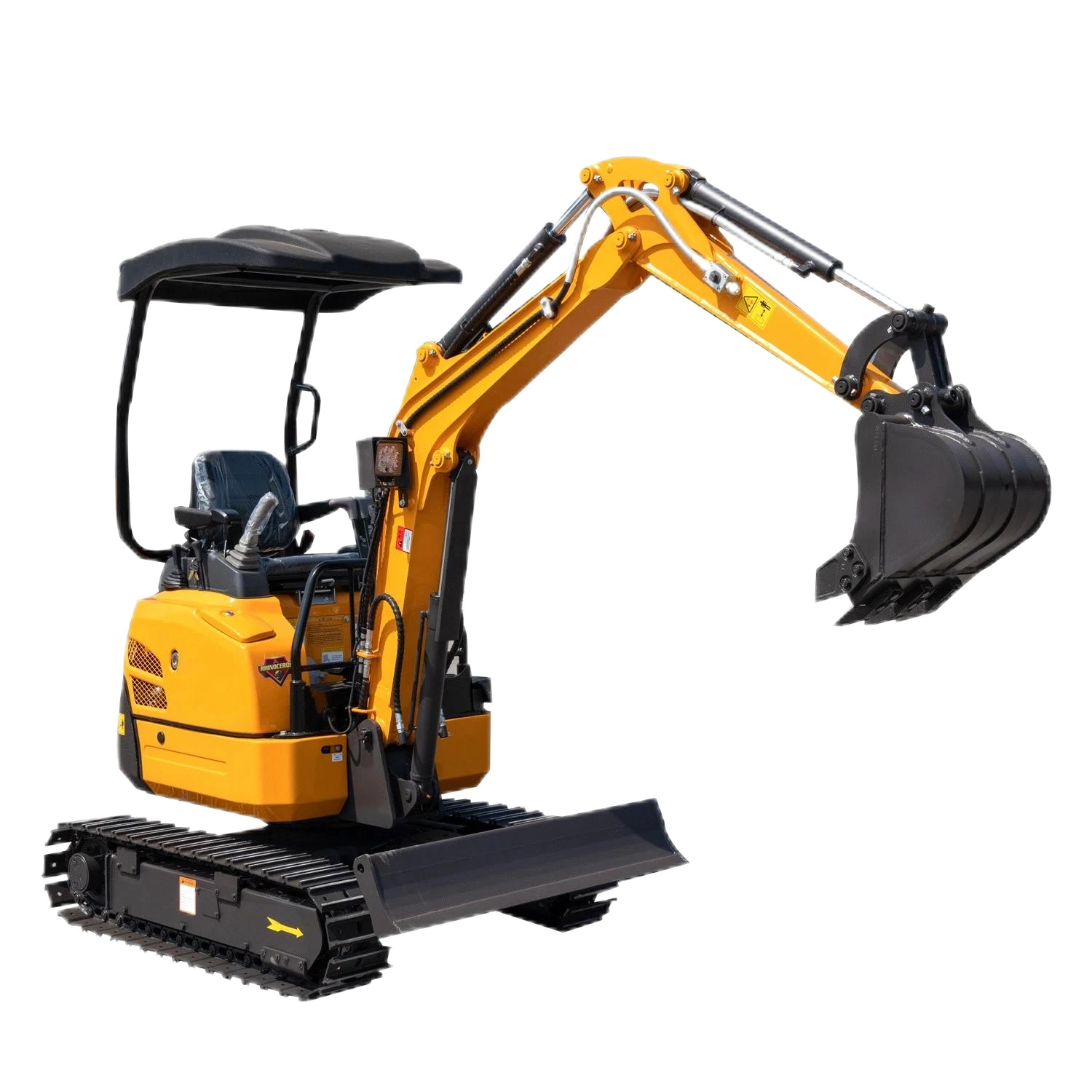

This high-level visit has elevated China-DPRK economic and trade ties from informal cross-border trade to a new phase backed by top-level endorsement, priority customs clearance and stable settlement. Mini excavators face strong rigid demand with surging sales, while electric forklifts see growth driven by industrial and logistics upgrading. All operations must comply with international sanctions, mainly focusing on spare parts, second-hand units and OEM products.
I. Implications of This High-Level Reception
The DPRK arranged a motorcade escort, roadside welcoming crowds and a 21-gun salute, marking the highest level of state reception. The core signals are as follows:
- Peak political mutual trust: Amid the 65th anniversary of the bilateral treaty, political support underpins economic and trade cooperation, bringing greater stability to border policies.
- Substantially eased customs clearance: Priority inspection, relaxed quotas and shorter waiting times are implemented at Dandong and Hunchun ports, eliminating previous clearance bottlenecks.
- Improved settlement efficiency: The share of RMB settlement has increased, and barter trade channels (exchanging minerals and agricultural products for equipment) have been expanded to ease payment difficulties amid sanctions.
- Clear direction for infrastructure and industrial cooperation: The DPRK explicitly welcomes Chinese equipment and technologies, accelerating national infrastructure construction and industrial resumption.
II. Mini Excavators (1–6 Tons): Soaring Orders, Dominated by Second-Hand Units & Spare Parts
1. Current Market in the DPRK: Strong Infrastructure Demand & Dominance of Chinese Products
A nationwide infrastructure drive has been underway in the DPRK since late 2025, covering residential projects in Pyongyang, local factories, farmland water conservancy and road renovation. Given numerous small construction sites, narrow lanes and mountainous terrain, 1–3.5 ton mini excavators are the most suitable model.
Chinese mini excavators account for over 80% of the DPRK’s total imports, with XCMG, Sany and Shandong-based mini excavator brands leading the market. Import volume hit a recent high in March 2026, with Dandong port recording an unprecedented influx of construction machinery.
Second-hand units and spare parts are widely preferred. Brand-new complete machines are costly and subject to sanctions on whole-unit exports. Second-hand mini excavators (priced at 50,000 to 150,000 RMB per unit) deliver high cost performance, while assembly from spare parts helps bypass sanctions and cut costs.
2. Direct Benefits Brought by the Visit
- Concentrated order placement: Top-level agreements on urban renewal, industrial zone and agricultural water conservancy projects have driven bulk procurement of mini excavators, with short-term shipment volume expected to rise by 30%–50%.
- Preferential customs and tariff policies: Faster clearance, fewer random inspections and tariff reductions for second-hand units and spare parts cut logistics costs by 10%–15%.
- Expanded after-sales market: Maintenance stations and parts warehouses can be set up locally to resolve repair difficulties, effectively boosting repurchase rates.
3. Restrictions & Risks
- UN Sanctions: Export of complete machines is strictly prohibited. Businesses are limited to second-hand units, spare parts, refurbished equipment and OEM products.
- Price sensitivity: Most units are priced between 100,000 and 200,000 RMB, with models under 3 tons being the most popular.
- Long payment cycles: Transactions are mostly settled via barter trade with minerals and agricultural products, with payment terms ranging from 3 to 12 months.
III. Electric Forklifts (1–5 Tons): Industrial & Logistics Upgrading with Steady Growth Potential
1. Current Market in the DPRK: Underdeveloped Logistics & Warehousing, Nascent Electrification
Logistics equipment at DPRK ports, warehouses, factories and markets is outdated. Electric forklifts feature zero emissions and low noise, ideal for indoor operation and low-temperature environments, making them a necessary replacement for diesel forklifts.
Chinese electric forklifts hold 35% of the global market share, with exports exceeding 230,000 units in the first five months of 2026. Lithium-ion models adapted for -25°C low temperatures fit the local climate. Currently, 1.5–3 ton lithium-ion forklifts prevail, with second-hand units and spare parts leading the market, followed by gradual penetration of brand-new machines.
2. Three Major Benefits from the Visit
- Boost from industrial resumption: The launch of local factories and new industrial zones drives demand for electric forklifts to support production lines and warehouses, promising bulk procurement.
- Port and logistics upgrading: Expansion of special economic zone ports such as Rason and the development of cross-border e-commerce fuel the replacement of diesel forklifts, lifting operational efficiency and reducing costs.
- Policy support: Coordination at the senior level ensures priority supply, simplified customs clearance and RMB settlement, alongside increased import quotas for electric forklifts.
3. Restrictions & Risks
- Sanction constraints: Complete machines are hard to import; operations mainly rely on spare parts assembly, second-hand refurbishment and OEM production.
- Insufficient charging infrastructure: Unstable power supply in the DPRK makes lithium-ion forklifts paired with backup batteries the preferred solution.
- Limited competition yet price-sensitive market: Chinese products face barely any rivals, but local budgets are tight. Mainstream products are second-hand or entry-level new forklifts priced at 20,000 to 50,000 RMB per unit.
IV. Comparison: Mini Excavators vs. Electric Forklifts
| Dimension | Mini Excavators (1–6 Tons) | Electric Forklifts (1–5 Tons) |
|---|---|---|
| Short-term growth momentum | Extremely strong (bulk orders from infrastructure projects) | Strong (demand for logistics and industrial upgrading) |
| Market potential | Medium (driven by infrastructure cycles) | Large (penetration across the entire industrial chain) |
| Compliance difficulty | Medium (easy to operate with second-hand units and spare parts) | High (complete machine transport banned; spare parts as mainstream) |
| Core products | 1–3.5 ton second-hand mini excavators | 1.5–3 ton low-temperature resistant lithium-ion forklifts |
| Representative enterprises | XCMG, Sany, Shandong mini excavator brands | Heli, Hangcha, EP Equipment, Jinpeng |
| Core driving factors | Urban renewal, agricultural & water conservancy projects | Factory resumption, port & warehouse upgrading |
V. Conclusions & Business Recommendations
Mini Excavators
Prioritize orders for second-hand units and spare parts in the short term; build after-sales and maintenance channels in the medium term; cultivate brand influence in the long run. Focus on promoting cost-effective 1–3 ton models.
Electric Forklifts
Enter the market via spare parts and second-hand units first, then launch low-temperature resistant lithium-ion new machines equipped with backup battery solutions. Target ports, industrial zones and large warehouses as key markets.
General Principles
Strictly abide by sanctions regulations, adopt RMB settlement or barter trade, control payment cycle risks, and fully capture the dividends of the DPRK market.