
President Putin’s visit to China in May 2026 focuses on consolidating Sino-Russian economic, trade and industrial cooperation. It brings four major benefits to the electric forklift and mini excavator industries, namely policy support, market expansion, technical adaptation and convenient settlement, boosting exports in the short term and advancing localization and electrification upgrading in the long run.
I. Core Background: Upgraded Sino-Russian Cooperation with Construction Machinery as a Priority
During this visit, memorandums on sustainable trade of industrial products and urban development cooperation were signed, clarifying plans to expand trade in electromechanical products and construction machinery.Current situation of the Russian market: Western brands have withdrawn from the market, and Chinese construction machinery holds a market share of over 80%. In 2023, China’s exports of construction machinery to Russia reached 6.058 billion US dollars, a year-on-year increase of 66.5%, making Russia China’s largest export destination for construction machinery.Electric forklifts and mini excavators are in rigid market demand. Electric forklifts cater to the expansion of logistics and warehousing industries, while mini excavators fit well with municipal engineering, agriculture and small-scale infrastructure construction. Russia’s demand for small excavators surged by 63% year-on-year in 2025.II. Impacts on the Electric Forklift Industry
1. Surging Export Orders and Expanded Market Space
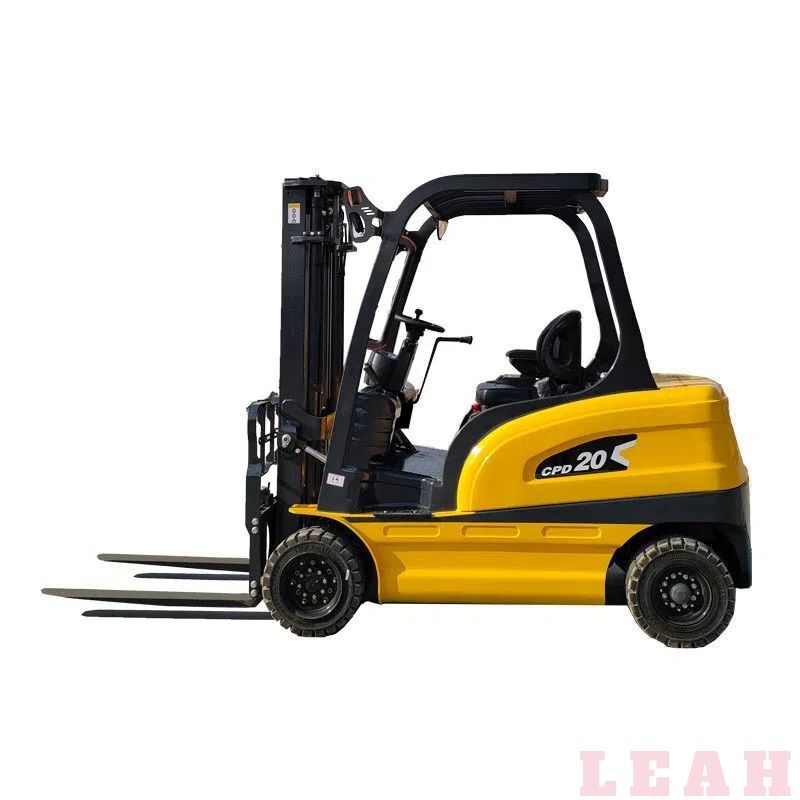
Driven by the expansion of cross-border e-commerce and cold chain logistics in Russia, the demand for warehouse electric forklifts has risen sharply. Chinese lithium battery forklifts boast prominent advantages in low-temperature adaptability under extreme cold working conditions.Policy dividends include simplified customs clearance, tariff reductions and trade financing support, which shorten delivery cycles and cut operating costs.Market forecast: China’s exports of electric forklifts to Russia are expected to rise by 40% to 60% year-on-year from 2026 to 2027, with leading enterprises such as Hangcha, Heli and Liugong gaining larger market shares.2. Technological and Product Upgrading: Extreme Cold Customization as Standard Configuration
Russia requires stable equipment operation at temperatures ranging from -30℃ to -40℃, pushing manufacturers to optimize battery thermal insulation, low-temperature resistant electronic control systems and waterproof sealing structures.In terms of localized R&D, Chinese enterprises have set up R&D centers in Russia to develop products adapted to extreme-cold warehousing, port and forestry scenarios. Electrification plus intelligent functions including remote monitoring and automatic driving have become core selling points.3. Optimized Competition Pattern with Market Resources Concentrated on Leading Players
Small and medium-sized brands are phased out rapidly due to rising technical and service barriers. Supported by solid sales channels and strong R&D capabilities, Hangcha, Heli, Liugong and Sany dominate the market.Product prices maintain a steady upward trend. The industry is stepping away from cut-throat price competition, with high-value customized products accounting for an increasing proportion and corporate profit margins getting improved.III. Impacts on the Mini Excavator Industry
1. Transformed Demand Structure, Mini Excavators Becoming New Growth Drivers
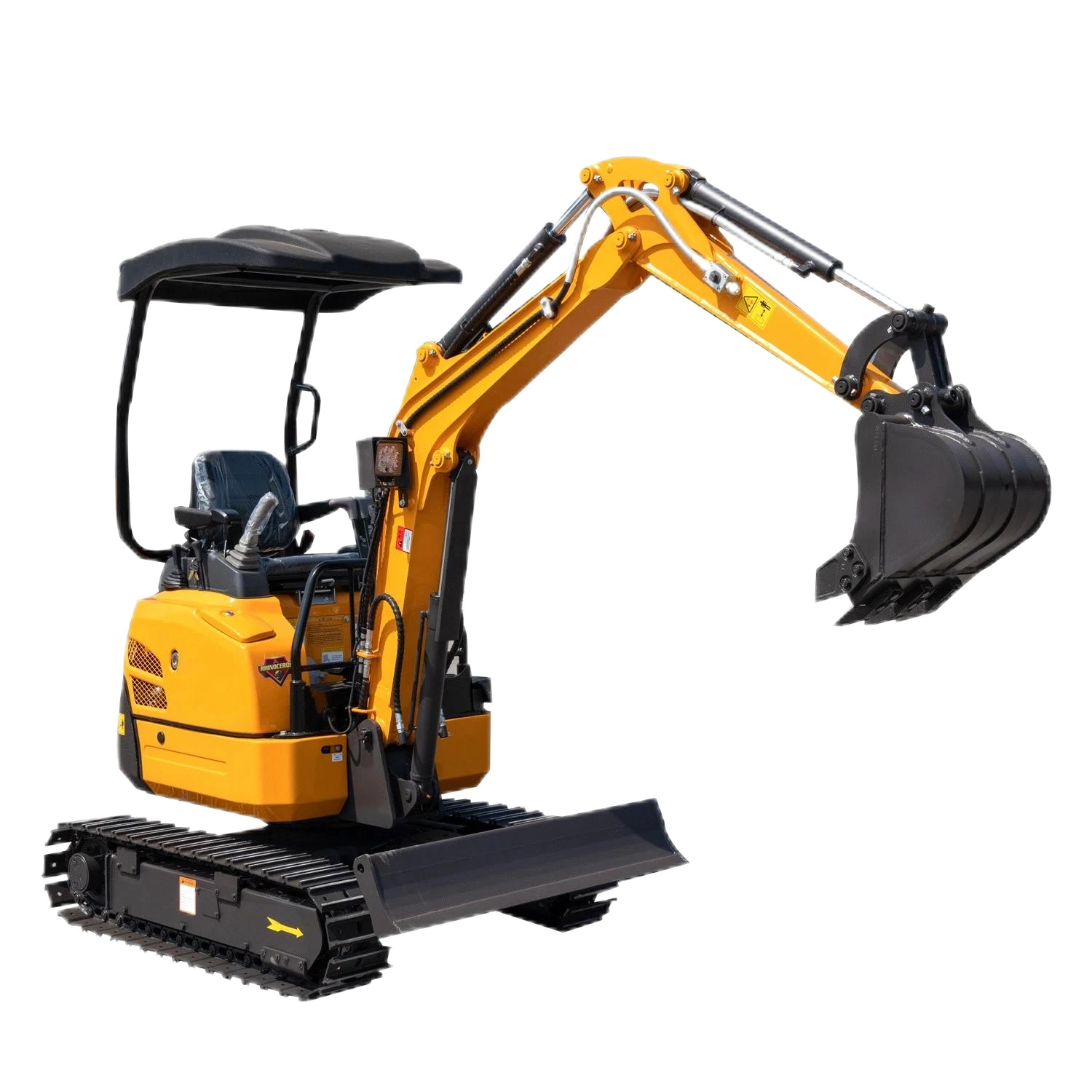
Russia has shifted its infrastructure focus to urban renewal, municipal pipe network construction, landscape gardening and agricultural development, where 1.5-3.5 ton mini excavators enjoy wide applicability.Supporting energy projects such as Arctic LNG projects and Far East pipeline constructions have stimulated small-scale earthwork operations, leading to strong leasing demand for mini excavators.In import substitution, Japanese and European mini excavators have retreated from the market. The market share of Chinese brands jumped from 30% at the start of 2023 to 97% by the end of the year, with the annual market demand standing at 3,500 to 4,000 units.2. Accelerated Localized Production to Bypass Trade Barriers
Russia has raised import scrap taxes (taxes for large-scale equipment quadrupled) and launched a 30% subsidy policy for domestically-made equipment, driving Chinese manufacturers to build local production bases.Typical examples: Liugong and Sany assemble mini excavators in Russia, adopting Chinese-made core components and local assembly procedures to reduce costs and qualify for local subsidies.3. Golden Development Period for Electric Mini Excavators
As Russia tightens environmental protection policies, zero-emission electric mini excavators are prioritized in municipal and indoor construction projects.Chinese enterprises have made technological breakthroughs in solving problems such as lithium battery capacity attenuation and slow charging in low-temperature environments. The market penetration rate of electric mini excavators in Russia is expected to hit 25% by 2027.IV. Universal Advantages: Settlement & Finance, Service System and Long-term Strategy
- Popularization of local currency settlement: Over 40% of Sino-Russian trade is settled in RMB and Ruble, effectively avoiding exchange rate risks and lowering settlement costs.
- Improved local service network: Chinese brands have built spare parts centers, training bases and 24-hour after-sales service outlets in Russia, solving the pain points of slow maintenance and expensive accessories and enhancing customer loyalty.
- In-depth long-term strategic cooperation: Bilateral cooperation has evolved from simple equipment sales to in-depth technological collaboration, joint R&D and joint capacity building, making electric forklifts and mini excavators benchmark products for China’s overseas equipment export.
V. Risks and Challenges
- Short-term economic fluctuations: Inflation and fluctuating payment capacity in Russia may lead to delayed order delivery.
- Fiercer local competition: Russia’s policy support for domestic enterprises may cultivate potential local competitors in the long run.
- Divergent technical standards: Enterprises need to comply with Russian GOST certification and extreme cold safety standards, resulting in higher R&D and certification costs.