
Trump's visit to China in May 2026 has core impacts including tariff easing, increased green cooperation, and supply chain restructuring, which overall benefits China's export of new energy forklifts to the United States, although there are still uncertainties in the short term.
Trade and Tariffs: Direct Benefits to Exports
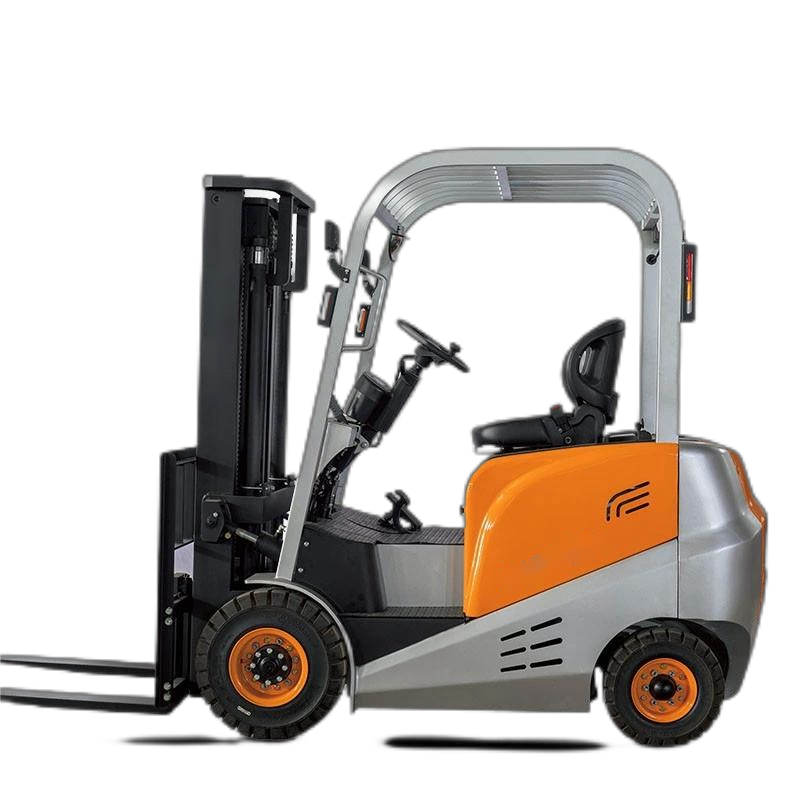
- Expectation of Tariff Easing: The core agenda of the visit includes the cancellation of some tariffs imposed on China and the restoration of economic and trade dialogue mechanisms. New energy forklifts (lithium battery/hydrogen) are classified as "industrial electric vehicles." If tariffs decrease from the current 25% to 10% or lower, their price competitiveness will significantly improve.
- Spillover of "New Three Items": China is promoting the export of lithium batteries, photovoltaics, and electric vehicles as the "new three items," and new energy forklifts, being part of lithium battery equipment, will benefit from policy synergies.
- Current Status and Potential: China accounts for over 50% of global forklift sales, with a projected penetration rate of 65% for new energy forklifts by 2025, and over 40% for lithium battery forklifts; the export base to the U.S. is low, providing significant growth potential after tariff easing.
Technology and Supply Chain: Accelerated Cooperation and Cost Optimization
- Green and Low-Carbon Consensus: The U.S. is focused on climate and emissions reduction, and new energy forklifts' zero emissions and low noise align with U.S. warehouse/port environmental standards. Hydrogen forklifts (with 3-5 minutes for refueling and -30°C low-temperature start) may become a new highlight of China-U.S. cooperation.
- Collaboration on Three Electric Technologies: China has a clear cost advantage in lithium batteries, motors, and electronic controls; the U.S. is leading in smart driving and industrial software, making joint development of smart new energy forklifts (with automatic navigation and remote operation) possible.
- Stable Supply Chain: Alleviating concerns about "decoupling and broken chains," the export/purchase of core components like lithium battery cells and IGBTs will be smoother, reducing production costs and delivery cycles.
Market Landscape: Expansion of the U.S. Market and Intensified Competition
- Upgraded U.S. Demand: The U.S. is tightening emissions regulations for non-road machinery, accelerating the replacement of internal combustion forklifts with lithium battery forklifts; giants like Amazon and Walmart are making large-scale purchases of electric forklifts, indicating a broad market space.
- Local Competition and Opportunities: U.S. forklift companies (like Toyota and Kion) are slow in their electrification transformation, while Chinese products offer high cost-performance (30%-50% lower prices), making it easier to capture the mid- to low-end market; breakthroughs in the high-end market may occur through technology licensing or joint ventures.
- Diversion to Alternative Markets: If export barriers to the U.S. remain, companies can shift focus to emerging markets in Latin America, Southeast Asia, and the Middle East, where recent export growth has exceeded 30%.
Risks and Challenges
- Policy Uncertainty: Trump's tariff policies are fluctuating; if negotiations break down, tariffs may remain high, hindering exports.
- Technical Barriers: The U.S. may impose restrictions under the pretext of safety or environmental concerns (such as battery carbon footprints and data compliance), increasing compliance costs.
- Domestic Protectionism: The U.S. may support its domestic electric forklift industry through subsidies or government procurement, limiting the entry of Chinese products.
Recommendations for Companies
- Tariff Negotiations: Actively participate in industry associations to lobby for tariff reductions or exemptions for new energy forklifts.
- Technological Upgrades: Increase R&D in hydrogen energy and smart driving to overcome high-end technological barriers and enhance product added value.
- Market Diversification: Strengthen traditional advantageous markets in Latin America and Southeast Asia to reduce dependence on the U.S. market.
- Local Layout: Establish assembly plants or R&D centers in the U.S. to avoid tariffs and be closer to the market.