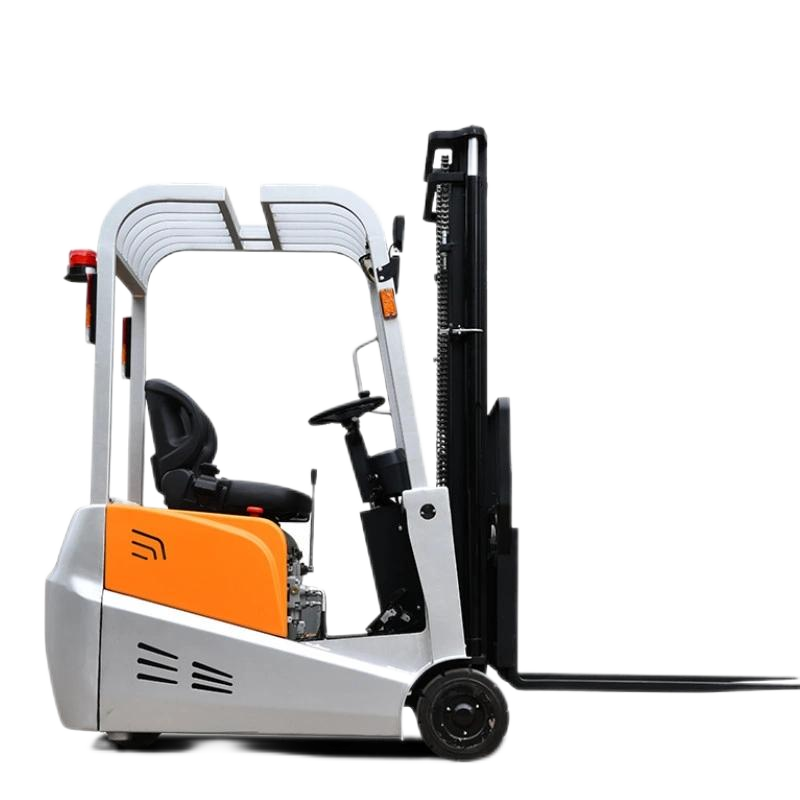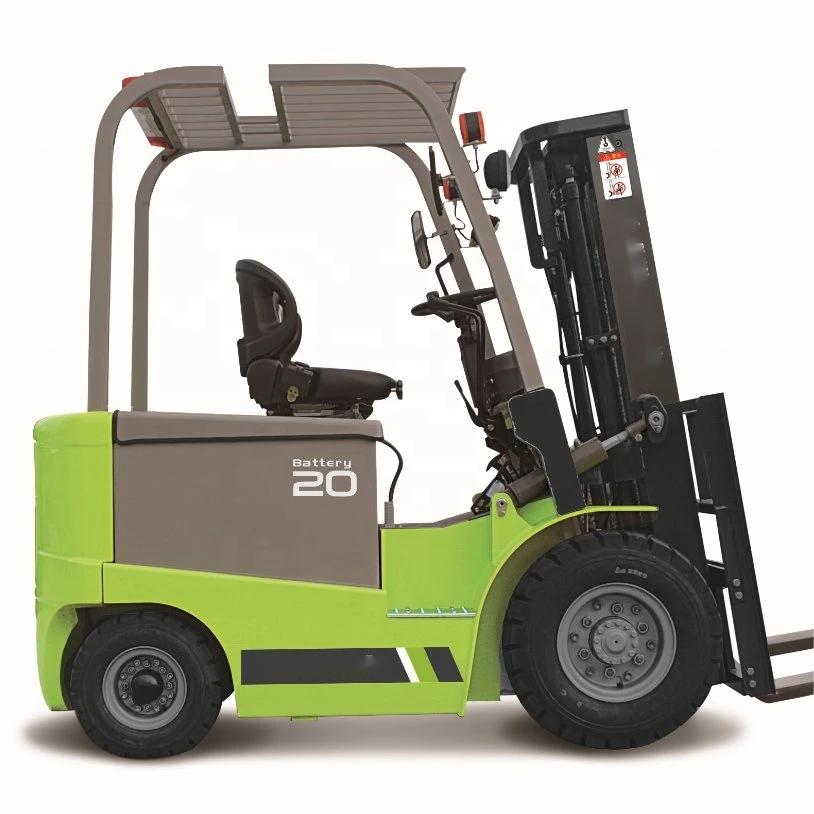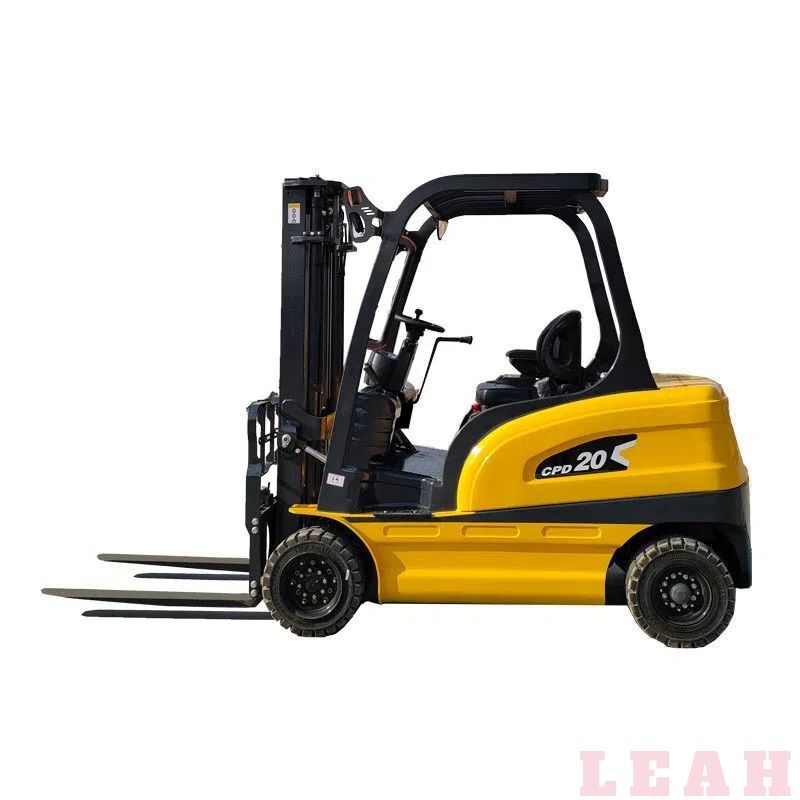

Refrigerated warehousing is one of the toughest environments a forklift will ever work in — and one of the most common places buyers order the wrong machine. A forklift that performs flawlessly in an ambient warehouse can lose half its battery runtime at -18°C, suffer hydraulic seal failure within months, and become undrivable when condensation forms on every surface during door transitions. Specifying a cold storage forklift correctly is not about one option; it is about a set of interlocking choices. Here is what actually changes between an ambient-duty and a freezer-duty machine.
The Battery Is the First Decision — and the Most Expensive to Get Wrong
Lithium chemistry reacts badly to cold charging. Below 0°C, charging a standard lithium pack causes lithium plating on the anode — permanent, irreversible capacity loss. Two valid specification paths:
- Low-temperature lithium pack with self-heating: the BMS warms cells to a safe temperature before allowing charge. This is the modern default for freezer fleets, and allows opportunity charging between dock excursions.
- Charging discipline without heated packs: machines never charge inside the freezer; they charge only in the ambient dock area after a cool-down pause. Workable, but it constrains shift patterns.
Also expect reduced runtime: at -18°C, usable capacity typically drops 15–30% versus room temperature even with a heated pack. Size the battery for the freezer duty cycle, not the brochure number.
Lead-acid remains viable in freezer duty (it tolerates cold discharge well), but brings watering, equalizing and ventilation requirements back into the building — most new cold-store projects choose heated lithium anyway.
Hydraulics and Seals: The Part Buyers Forget to Ask About
Standard hydraulic oil thickens dramatically below 0°C. Cold-store specification requires:
- Low-temperature hydraulic oil (arctic-grade) specified at the factory
- Seals rated for low temperature — standard NBR seals harden and leak; cold-duty machines use low-temperature-resistant seal compounds
- Warm-up behavior: the controller should limit lift/travel speed until hydraulic oil reaches operating temperature, protecting the pump rather than relying on the operator to "go easy"
Ask the supplier explicitly: "Is this machine rated for continuous operation at -18°C / -25°C?" Reputable manufacturers have a distinct cold-store option package — if the answer is vague, the machine is not cold-store rated.
Tires, Traction and Floor Conditions
Freezer floors are smooth power-troweled concrete, often with a film of frost near doors and ice particles tracked in. Options:
- Cushion tires with a cold-compound rubber formulation that stays flexible below freezing (standard compounds go glassy and lose grip)
- Polyurethane works on smooth freezer floors for light duty, but check the supplier's low-temp rating
- For dock-to-freezer mixed duty, ensure the drive tire compound is rated across the full temperature range the truck will cross in one shift — thermal cycling is what kills standard compounds
The Door-Transition Problem: Condensation, Not Cold, Breaks Machines
A truck that shuttles between a -20°C freezer and a 25°C humid dock crosses a dew point every cycle. Moisture condenses on cold steel — controllers, connectors, mast channels — and can freeze or corrode. Mitigations:
- Conformal-coated controller boards and sealed connectors (IP-rated electrics)
- Where trucks park inside the freezer permanently, they should not be moved to ambient areas for charging unless allowed to warm and dry first
- Anti-condensation heaters on the cab glass (for cabin trucks) and drainage-friendly mast design
- Schedule: if possible, dedicate trucks to the cold zone rather than shuttling the same machine in and out all day — duty separation extends electrical life more than any single component upgrade
Masts, Cabs and Visibility
- Mast height and door clearance: measure the narrowest freezer door and lowest ceiling racking before choosing a mast; a triplex mast that fits ambient racking may not fit the freezer layout.
- Cab options: for long freezer shifts, a heated cab is a productivity purchase, not a luxury — operator error rises sharply in cold stress. Heated seat, heated steering option and a windshield wiper for the condensation cycle are worth specifying.
- Lighting: freezer halls are dim; LED work lights rated for low temperature on both mast and rear posts materially improve load handling accuracy.
Frequently Asked Questions
Q: Can I use a standard warehouse forklift in a chiller (0–5°C)?A: Usually yes for chillers, with cold-compound tires and attention to condensation. The hard requirements — heated battery packs, low-temp oil and seals — become mandatory for freezers (below 0°C, especially -18°C and colder).
Q: How much runtime loss should I plan for at -18°C?A: Plan on 15–30% less usable capacity than the ambient rating, even with a heated lithium pack. For a two-shift freezer operation, many fleets size packs 30–40% above the ambient-duty calculation.
Q: Should the battery be charged inside the freezer?A: Only if the pack is specified for cold charging (heated/BMS-managed). Standard packs must charge in ambient areas — and if the truck has been inside the freezer, let electronics warm and dry before charging to avoid condensation faults.
Q: What maintenance changes in cold storage?A: Shorter intervals for seals and electrical inspections, chain lubrication with low-temperature grease, and vigilance for ice buildup around the mast and pedals. Condensation-related electrical faults are the most common cold-store repair call.
Conclusion: a freezer-rated forklift is a system specification — heated battery, cold-grade oil and seals, compound tires, sealed electrics and a transition strategy for condensation. Order the cold-store package at purchase time; retrofitting a standard truck for -18°C duty costs more and delivers less. Tell us your freezer temperature, door dimensions and shift pattern, and we will configure the correct cold-storage package for your fleet.