
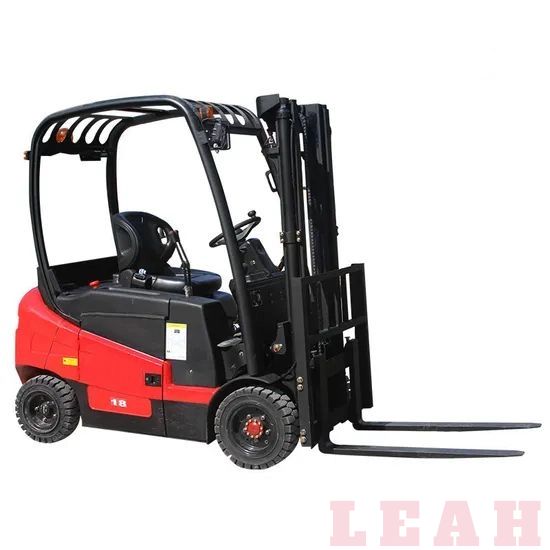
Hiring an electric forklift is a cost-effective, flexible solution for businesses needing material handling equipment—whether for short-term projects, seasonal peaks, or to avoid the upfront cost of purchasing. Below is a detailed breakdown of key considerations, benefits, hiring processes, and tips to help you make an informed decision.
1. Core Benefits of Hiring Electric Forklifts
Compared to purchasing (or hiring diesel/gas forklifts), electric models offer unique advantages that align with modern business needs:
- Cost Efficiency: No large upfront capital expenditure; you pay only for usage (typically weekly/monthly rates). Avoids long-term costs like depreciation, storage, and unexpected repairs (covered by most hire agreements).
- Eco-Friendly: Zero tailpipe emissions (ideal for indoor use, warehouses, or areas with strict environmental regulations) and lower noise pollution (improves workplace safety and comfort).
- Low Maintenance: Fewer moving parts than internal combustion (IC) forklifts (no engine oil, filters, or fuel systems to service). Most hire providers handle maintenance and repairs.
- Operational Flexibility: Scale up or down quickly—hire additional units for peak seasons (e.g., retail holidays) or return equipment when demand drops.
- Indoor/Outdoor Versatility: Modern electric forklifts (with lithium-ion batteries) have longer runtimes and weather-resistant designs, making them suitable for both indoor warehouses and covered outdoor yards.
2. Key Factors to Consider Before Hiring
To ensure you hire the right electric forklift for your needs, clarify these critical details first:
A. Operational Requirements
- Load Capacity: Determine the maximum weight you need to lift (common capacities range from 1.5 tonnes to 5 tonnes; specialized models handle up to 10+ tonnes). Choosing an undersized unit risks accidents; an oversized one wastes money.
- Lift Height: Measure the highest shelf, rack, or storage area you need to access (e.g., 3 meters for standard warehouses, 8+ meters for high-rack facilities).
- Working Environment:
- Indoor vs. Outdoor: Indoor use requires low noise and zero emissions (electric is perfect); outdoor use may need rugged tires (e.g., pneumatic) and weather protection.
- Floor Surface: Smooth warehouse floors work with cushion tires; rough outdoor surfaces need pneumatic tires.
- Space Constraints: Narrow aisles require 3-wheel electric forklifts (more maneuverable) or order pickers (for tight spaces).
- Runtime Needs: Calculate daily operating hours. Traditional lead-acid batteries need 8 hours of charging + 8 hours of cooling (best for 1-shift operations); lithium-ion batteries charge in 1-2 hours and work for 2-3 shifts (ideal for high-demand sites).
B. Hire Duration & Terms
- Hire Period: Short-term (days/weeks) for projects/events; long-term (months/years) for ongoing operations (often includes better rates).
- Included Services: Confirm if the agreement covers:
- Battery charging/replacement (critical for avoiding downtime).
- Maintenance and repairs (ask about response times for breakdowns).
- Insurance (liability, damage, or theft—ensure your business is protected).
- Delivery, collection, and on-site training for operators.
- Contract Flexibility: Check for early termination clauses, options to upgrade/downgrade equipment, or extend the hire period if needed.
3. How to Choose a Reputable Hire Provider
The quality of the provider directly impacts your operational efficiency and safety. Use these criteria to evaluate options:
- Equipment Quality: Ensure the fleet is modern (less than 5 years old), well-maintained, and compliant with local safety standards (e.g., OSHA in the U.S., LOLER in the UK). Ask to see maintenance records if possible.
- Availability & Response Time: Confirm the provider has the specific forklift model (capacity, height, battery type) in stock when you need it. Inquire about their breakdown support—24/7 service is ideal for businesses operating multiple shifts.
- Customer Reviews & References: Check online reviews (e.g., Google, Trustpilot) or ask for references from similar businesses (e.g., warehouses, logistics firms) to verify reliability.
- Compliance & Safety: The provider should offer operator training (if your team is uncertified) and provide safety documentation (e.g., risk assessments, safety guides) for the equipment.
- Transparent Pricing: Avoid hidden fees (e.g., delivery surcharges, excess wear charges). Request a detailed quote that outlines all costs (hire rate, insurance, maintenance, fuel/charging).
4. Typical Hire Costs
Costs vary based on forklift type, capacity, hire duration, and location. Below is a general price range (as of 2024) for reference:
| Forklift Type | Short-Term Hire (Weekly) | Long-Term Hire (Monthly) |
|---|---|---|
| 1.5-2 Ton Electric (Lead-Acid) | $200 - $400 | $600 - $1,000 |
| 2-3 Ton Electric (Lithium-Ion) | $300 - $500 | $800 - $1,300 |
| 3-5 Ton Electric (Heavy-Duty) | $400 - $700 | $1,200 - $2,000 |
| Specialized (e.g., High-Reach, Narrow Aisle) | $500 - $900 | $1,500 - $2,500 |
Note: Prices may be higher in urban areas or for peak-demand periods (e.g., end-of-year logistics).
5. Post-Hire Tips for Smooth Operations
- Operator Training: Ensure all users are certified (or complete the provider’s training) to avoid accidents and equipment damage.
- Battery Management: For lead-acid batteries, follow charging protocols (avoid overcharging); for lithium-ion, use only the provider’s approved chargers.
- Daily Inspections: Conduct pre-use checks (e.g., tire condition, brakes, battery level) and report any issues to the hire provider immediately.
- Communicate Changes: If your needs shift (e.g., extended hire, higher capacity), notify the provider as early as possible to adjust the contract.
Final Checklist Before Signing
- Confirm the forklift’s capacity, lift height, and battery type match your needs.
- Review the contract for hidden fees, insurance coverage, and maintenance terms.
- Verify the provider’s breakdown support and response time.
- Ensure operator training and safety documentation are included.
- Request a delivery/collection schedule to align with your project timeline.
By following this guide, you can hire an electric forklift that optimizes your material handling processes, reduces costs, and meets safety and environmental standards.