Full-Process Control Plan for Reducing the Impact of Corrosive Media on Electric Forklift Batteries
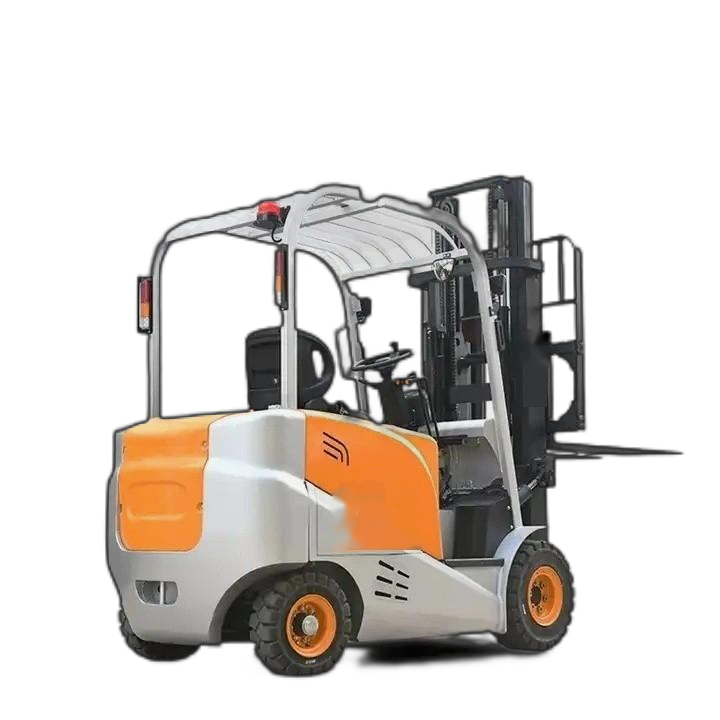
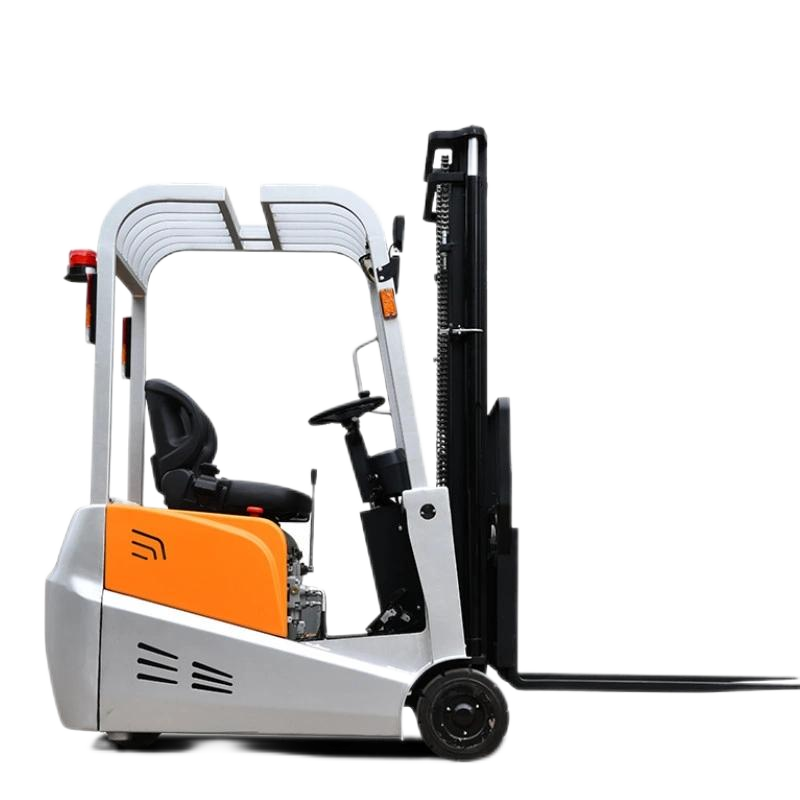
The mainstream configuration of electric forklifts is lead-acid power batteries (with a small number of lithium batteries). Corrosive media mainly include acid-base mist, salt mist/water vapor, dust/chemicals containing corrosive components in the operating environment, and self-leakage of electrolyte. The core corrosion points are concentrated on battery pole posts/terminals, cable connectors, battery casings, electrolyte filling ports, and metal parts of battery compartments. Corrosion will directly cause poor terminal contact and battery power leakage, further leading to range attenuation and electrical system failures.Centering on the five core pillars of source isolation, body protection, standardized operation, regular maintenance, and special emergency response, this plan formulates implementable quantitative control standards, operating procedures and risk contingency plans. It is adapted to various corrosive scenarios of industrial forklift operations such as warehousing, chemical industry, ports and cold chain, and can be directly used for SOP formulation and on-site training.
Core Premises
- The electrolyte of lead-acid batteries is dilute sulfuric acid, which is inherently corrosive. Protection must avoid both invasion of external media and contact of internal electrolyte leakage with external components.
- Although lithium batteries have no electrolyte corrosion risks, their positive and negative terminals and battery casings are still susceptible to acid-base/salt mist corrosion. The core of protection focuses on terminal sealing and chemical contact prevention of casings. For lithium batteries, all measures in this plan except those related to electrolyte can be directly applied.
- All anti-corrosion operations must be carried out under the premises of battery power off, forklift parking brake activation and battery compartment ventilation to avoid electric shock/short circuit risks.
I. Source Prevention and Control: Isolation of Corrosive Media in the Operating Environment (Minimizing Contact from the Root)
The core is quantitative environmental parameter control + physical isolation. Formulate environmental control standards for different corrosive scenarios to prevent direct diffusion of media to battery compartments/battery bodies, which is the most basic and effective prevention and control measure.
Implementation Standards
- The relative humidity of the battery operation/parking environment ≤ 60% RH, and ≤ 55% RH for highly corrosive scenarios such as chemical industry and ports.
- No obvious acid-base mist or chemical volatiles in the environment; the physical isolation distance between the operation area and the corrosive medium storage/operation area ≥ 3m.
- The battery compartment is closed/semi-closed and equipped with a forced ventilation device (air volume ≥ 50m³/h) to prevent the accumulation of corrosive gas in the compartment.
Operating Procedures
- Dehumidification and humidity control: Install industrial dehumidifiers and exhaust fans in the forklift parking area; install anti-condensation devices in high-humidity scenarios such as cold chain and ports; monitor humidity in real time and stop the machine for ventilation immediately when the threshold is exceeded.
- Physical isolation: Set up anti-corrosion isolation barriers (PVC/stainless steel material) in forklift operation channels for highly corrosive scenarios such as chemical and electroplating workshops; prohibit forklifts from directly driving into corrosive medium leakage areas.
- Battery compartment sealing: Seal the gaps and wire harness perforations of the battery compartment with acid-base resistant anti-corrosion sealant; install waterproof/anti-corrosion baffles in the compartment to prevent corrosive liquid/dust on the ground from splashing in.
- Ground treatment: Construct anti-corrosion epoxy floor/acid-resistant ceramic tiles on the ground of the forklift parking area; set up drainage ditches and timely clean up chemical residues, standing water and dust on the ground.
Inspection Frequency
Check environmental humidity/ventilation devices before daily operation; check the status of isolation barriers/battery compartment sealing weekly; repair any damage immediately upon discovery.
II. Body Protection: Special Anti-Corrosion Treatment for Key Battery Parts (Targeted Enhancement of Battery Corrosion Resistance)
Aim at the five core corrosion points of battery pole posts/terminals, cable connectors, casings, filling ports and battery compartment metal parts, and adopt special anti-corrosion materials for layered protection. All materials must meet the requirements of acid-base resistance, high and low temperature resistance (-20℃~60℃), non-conductivity and no chemical reaction with battery parts. It is forbidden to replace special anti-corrosion materials with ordinary butter or petroleum jelly (which easily absorb dust and instead aggravate corrosion).
Anti-Corrosion Operation Procedures for Each Part (Quantitative Standards + Material Selection)
| Protection Point | Special Materials | Operating Procedures | Maintenance Frequency | Judgment Basis (Effective Protection) |
|---|
| Pole Posts/Terminals | Battery pole post special anti-corrosion grease (dilute sulfuric acid resistant), PVC insulating protective cover | 1. Wipe off dust/oil on the terminal surface with a dry cloth, clean with anhydrous ethanol and dry completely;2. Apply anti-corrosion grease evenly on the entire terminal surface (including bolts/nuts) with a thickness ≥ 1mm;3. Put on the insulating protective cover and fix and seal with a cable tie | Inspect weekly, reapply once a month | No oxidation spots, no white/green corrosion powder on terminals |
| Cable Connectors | Anti-corrosion and flame-retardant heat shrink tube, waterproof insulating tape | 1. After crimping the connector firmly, wrap 3 layers of waterproof insulating tape (half-lap winding);2. Put on the heat shrink tube and heat seal with a hot air gun (no air bubbles, no gaps);3. Wrap 2 more layers of tape at the junction of the connector and wire harness for reinforcement | Inspect quarterly, replace immediately if damaged | No corrosion or water ingress at connectors, contact resistance ≤ 5mΩ |
| Lead-Acid Battery Casing | Anti-corrosion protective paint (dilute sulfuric acid resistant), PVC protective film | 1. Wipe the casing surface clean and polish rust at damaged/scratched parts;2. Spray anti-corrosion paint evenly (2 coats, dry film thickness ≥ 80μm);3. Paste PVC protective film on the parts of the casing that are easy to contact with media | Inspect every 6 months, touch up paint immediately if peeling off | No bulging, no corrosion perforation, no electrolyte leakage on the casing |
| Electrolyte Filling Port | Anti-corrosion sealing ring (nitrile rubber), sealing cover | 1. Replace with the original factory acid-resistant sealing ring and ensure the filling port cover is tightened and sealed;2. Apply a small amount of special anti-corrosion grease at the junction of the cover and the casing to prevent media from invading through gaps | Inspect after each electrolyte filling | No liquid leakage at the filling port, no dust/liquid entering |
| Battery Compartment Metal Parts | Anti-rust and anti-corrosion paint, zinc-aluminum coating spray | 1. Derust and polish the metal parts in the compartment, spray zinc-aluminum coating after cleaning and drying (thickness ≥ 50μm);2. Spray anti-corrosion paint on the outer layer and seal the welds with anti-corrosion sealant | Inspect quarterly, touch up paint immediately if rusted | No rust, no corrosion and peeling on metal parts |
Lithium Battery Exclusive Protection
If the lithium battery casing is made of metal, spray acid-base resistant anti-corrosion paint; in addition to applying special anti-corrosion grease on the positive and negative terminals, install plastic sealed protective boxes to completely isolate external media.
III. Standardized Operation: Avoiding Contact with Corrosive Media in the Whole Operation Process (On-Site Operation Standardization)
Formulate clear operation specifications to prevent forklift drivers from causing direct contact between corrosive media and batteries due to improper operation during work. The core is "pre-operation inspection, active avoidance, post-operation cleaning", which shall be included in the pre-job training and daily assessment of drivers.
1. Pre-Operation Inspection (Mandatory, completed in 1-2 minutes)
- Check whether the battery compartment door seal is intact and whether there is liquid leakage from the battery casing/filling port; stop the machine immediately and prohibit operation if leakage is found.
- Check whether the pole post/terminal protective cover is intact without falling off or damage.
- Confirm that there is no corrosive medium leakage in the operation area and no standing water/chemical residues on the ground; clean first before operation if any.
2. Avoidance During Operation (Core Operation Bans)
- Prohibit forklifts from driving and operating in areas with leakage of corrosive media (acid/alkali/salt solution, chemicals); replace with special anti-corrosion forklifts if necessary.
- Prohibit forklifts from transporting unsealed corrosive chemicals; the horizontal distance between chemical containers and battery compartments during transportation ≥ 1.5m.
- Prohibit directly flushing the battery compartment/battery body with a high-pressure water gun (which easily causes water vapor to invade the terminals and aggravate corrosion); only dry or slightly damp cloths can be used for cleaning.
- During cold chain/port operations, avoid direct contact between the battery body and ice water/seawater; wipe off water vapor on the outside of the battery compartment in a timely manner after operation.
3. Post-Operation Cleaning (Mandatory daily, completed within 10 minutes after operation)
- Wipe off dust/oil/water stains on the outside of the battery compartment and the surface of the battery casing with a dry cloth to avoid the accumulation of corrosive components.
- Open the battery compartment door for ventilation for 5-10 minutes to discharge humid air/residual gas in the compartment.
- Check whether there are splashing marks of corrosive media on the battery surface; clean immediately according to the "emergency disposal" procedures if any.
IV. Regular Maintenance: Corrosion Inspection and Timely Treatment (Quantitative Inspection Standards, Avoiding Small Corrosion from Developing into Major Failures)
Formulate a daily/regular corrosion inspection ledger, clarify inspection points, judgment standards and treatment processes, which shall be implemented by professional maintenance personnel with the cooperation of drivers for daily self-inspection, so as to achieve early detection and early treatment and avoid battery scrapping or electrical failures caused by corrosion.
1. Daily Inspection (Implemented by drivers, before/after daily operation)
Only visual appearance inspection is required without disassembly; stop the machine immediately and report to maintenance personnel if the following situations are found:
- Electrolyte leakage from the battery casing and filling port, and acid liquid marks on the ground.
- White/green corrosion powder and oxidation spots on pole posts/terminals.
- Standing water and dust accumulation in the battery compartment, and damage to sealant/protective covers.
2. Regular Inspection (Implemented by maintenance personnel, quantitative detection)
| Inspection Cycle | Inspection Items | Quantitative Judgment Standards | Treatment Measures |
|---|
| Weekly | Appearance of pole posts/terminals/cable connectors, status of protective covers | No corrosion, no damage | Replace damaged protective covers immediately; clean slight oxidation with anhydrous ethanol and reapply anti-corrosion grease |
| Monthly | Battery casing tightness, electrolyte level | No liquid leakage, liquid level between upper and lower limits | Repair/replace leaking casings immediately; supplement with original factory special electrolyte if the liquid level is too low (tap water/mineral water is prohibited) |
| Quarterly | Terminal contact resistance, status of battery compartment metal parts | Contact resistance ≤ 5mΩ, no rust | Polish the oxide layer on the terminal surface and re-crimp if the contact resistance exceeds the standard; derust and touch up anti-corrosion paint on rusted parts |
| Half a year | Overall battery anti-corrosion layer, sealant status | No falling off of anti-corrosion layer, no cracking of sealant | Respray the falling anti-corrosion layer; cut off the cracked sealant and reapply sealant |
Key Maintenance Misunderstandings to Avoid
- Prohibit vigorously polishing pole posts/terminals with steel wool or sandpaper (which easily damages the metal surface and aggravates subsequent corrosion); clean slight oxidation with a special copper brush and anhydrous ethanol.
- Prohibit cleaning the battery body with alkaline cleaners such as dish soap and laundry detergent (which will react with the dilute sulfuric acid of lead-acid batteries and produce new corrosive media).
- Prohibit stacking any items on the battery surface, especially metal parts/chemicals, to avoid scratching the anti-corrosion layer or splashing of media.
V. Special Protection: Targeted Measures for Different Corrosive Media Scenarios
Formulate differentiated protection plans for the four major corrosive scenarios common in electric forklift operations: acid mist/acid liquid, alkali mist/alkali liquid, salt mist/water vapor, and corrosive dust, adapted to special operating environments such as chemical industry, ports, electroplating and mining.
| Corrosive Scenario | Core Corrosion Risks | Targeted Protection Measures |
|---|
| Acid mist/acid liquid (chemical/electroplating workshops) | Rapid oxidation of pole posts/terminals, corrosion perforation of casings by acid liquid | 1. Install acid mist filtration and ventilation devices in the battery compartment;2. Install stainless steel sealed protective covers on pole posts/terminals;3. Clean acid mist residues on the battery surface with anhydrous ethanol daily |
| Alkali mist/alkali liquid (papermaking/printing and dyeing workshops) | Rust removal of battery metal parts, falling off of anti-corrosion layer | 1. Spray alkali-resistant anti-corrosion paint on the battery casing;2. Lay alkali-resistant PVC mats in the battery compartment to prevent ground alkali liquid from splashing in;3. Reapply anti-corrosion grease to battery metal parts weekly |
| Salt mist/water vapor (ports/coastal areas) | Poor terminal contact, rusting of battery compartment metal parts, oxidation of lithium battery casings | 1. Install salt mist protection kits for forklifts (terminal sealing, fully closed battery compartment);2. Reapply special anti-corrosion grease to battery parts every half a month;3. Place desiccants (silica gel type, replaced weekly) in the battery compartment |
| Corrosive dust (mining/metallurgical workshops) | Dust accumulation on terminals, forming corrosive media after absorbing moisture | 1. Install dust filter nets in the battery compartment (cleaned daily);2. Put dustproof and waterproof protective covers on terminals/connectors;3. Blow off dust on the battery surface with low-pressure compressed air (≤ 0.3MPa) daily |
VI. Emergency Disposal: Rapid Treatment After Contact with Corrosive Media/Electrolyte Leakage (Avoid Corrosion Expansion)
When external corrosive media splash on the battery body or battery electrolyte leaks, rapid disposal shall be carried out in accordance with the steps of "shutdown → protection → cleaning → inspection → repair". Personal protection shall be done throughout the process to avoid personnel corrosion/electric shock.
General Personal Protection Requirements
Disposal personnel must wear acid-base resistant gloves, goggles and anti-corrosion aprons; it is forbidden to touch corrosive media/leaking battery parts with bare hands.
Scenario 1: External Acidic Media (Sulfuric acid/hydrochloric acid, etc.) Splashing on the Battery
- Immediately cut off the forklift power, activate the parking brake and open the battery compartment for ventilation.
- Sprinkle dry baking soda powder evenly on the splashed area (to neutralize acidity) and let it stand for 5-10 minutes.
- Wipe off the neutralized powder with a dry cloth, then wipe with a slightly damp water cloth (to avoid residue), and finally dry completely with a dry cloth.
- Check whether the anti-corrosion layer at the splashed part is damaged; touch up anti-corrosion grease/anti-corrosion paint at the damaged part, and clean and re-protect the terminals immediately if oxidized.
Scenario 2: External Alkaline Media (Sodium hydroxide/ammonia water, etc.) Splashing on the Battery
- Perform step 1 as above: power off and ventilate.
- Gently wipe the splashed area with dilute acetic acid (5%) or lemon juice (to neutralize alkalinity) and let it stand for 3-5 minutes.
- Wipe clean with a water cloth and dry with a dry cloth.
- Check whether the battery casing/terminals have paint peeling/oxidation and repair protection in a timely manner.
Scenario 3: Lead-Acid Battery Electrolyte (Dilute Sulfuric Acid) Leakage
- After power off and ventilation, neutralize the leaked liquid with baking soda powder (until no bubbles are generated), wipe clean and then clean and dry with a water cloth.
- Check the leakage point: if the filling port seal is poor, replace the sealing ring and tighten the cover; if the casing is damaged, stop using the battery immediately and send it to a professional maintenance factory for repair/replacement; on-site self-repair of leaks is prohibited.
- Clean up the leakage residue in the battery compartment and perform derusting and anti-corrosion treatment on the metal parts in the compartment.
Scenario 4: Short Circuit of Terminals/Connectors Caused by Corrosion
- Immediately cut off the total power supply of the forklift and put out open fire (if any) with a dry powder fire extinguisher (water is prohibited).
- After the temperature drops to room temperature, clean up the corrosives at the short circuit point and check whether the terminals/cables are burned.
- Replace burned parts immediately; re-perform anti-corrosion sealing on unburned parts and restart only after the contact resistance test is qualified.
VII. Management Assurance: SOP Implementation and Consumable Management for Anti-Corrosion Control
- Personnel training: Incorporate the operation standards and emergency procedures of this plan into the pre-job training of forklift drivers and maintenance personnel; only those who pass the assessment can take up their posts; organize anti-corrosion practical drills every six months.
- Ledger management: Establish a Battery Anti-Corrosion Inspection/Maintenance Ledger to record the time, points, problems and treatment results of each inspection to realize the whole life cycle traceability.
- Consumable control: Uniformly select original factory/national standard special products for all anti-corrosion materials (anti-corrosion grease, heat shrink tubes, sealant, etc.); prohibit the use of unbranded substitutes; store consumables in a dry and ventilated place to avoid their own failure.
- Assessment mechanism: Incorporate battery anti-corrosion work into on-site operation assessment; hold personnel accountable for severe battery corrosion caused by non-compliant operation; reward teams that effectively implement anti-corrosion work.
VIII. Effect Verification and Long-Term Risk Avoidance
1. Anti-Corrosion Effect Verification Standards
- No corrosion spots or oxidation powder on battery pole posts/terminals, and the contact resistance is stably ≤ 5mΩ.
- No liquid leakage or falling off of anti-corrosion layer on the battery casing, and no rust, standing water/dust accumulation in the battery compartment.
- Under the same corrosive scenario, the corrosion cycle of battery terminals/casings is extended from 1-2 months to more than 6 months, and there is no battery range attenuation caused by poor contact.
2. Long-Term Risk Avoidance
- For highly corrosive scenarios such as chemical industry and ports, priority shall be given to selecting original factory anti-corrosion electric forklifts (fully closed battery compartment, double sealing of terminals, thickened anti-corrosion casing).
- Conduct regular tightness testing for lead-acid batteries that have been used for more than 2 years; replace severely aged batteries in a timely manner to avoid electrolyte leakage.
- Establish a replacement cycle for forklift batteries in corrosive scenarios; appropriately shorten the replacement cycle in highly corrosive scenarios to avoid battery scrapping caused by corrosion.
Supplementary Notes for Lithium Batteries
Lithium batteries have no electrolyte corrosion risk; the core of anti-corrosion only needs to ensure the sealing protection of wiring terminals, chemical contact prevention of casings, and moisture/dust prevention of battery compartments. All measures in this plan except "electrolyte filling and leakage neutralization" can be directly applied, and the frequency of anti-corrosion maintenance for lithium batteries can be appropriately reduced (e.g., apply anti-corrosion grease once every 2 months).