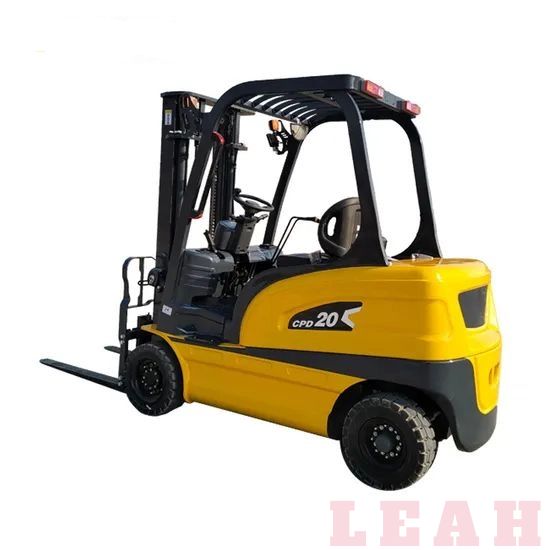
The error codes of electric forklifts are usually defined by manufacturers, and the meanings of codes may vary across different brands (such as Toyota, Linde, Jungheinrich, Heli, Hangcha, etc.). The following are some common types of error codes and general interpretation directions for reference:
- Code Examples: B01, BAT01, E01, etc.
- Possible Meanings: Low battery voltage, excessive battery temperature, loose battery connection wires, charger failure, etc.
- Troubleshooting: Check the battery power, clean the electrodes, and verify if the charger is compatible.
- Code Examples: M02, DRV03, E10, etc.
- Possible Meanings: Motor overload, drive motor failure, abnormal communication between the controller and the motor, contactor failure.
- Troubleshooting: Stop operation to cool the motor, check the wire connections, and contact maintenance personnel to inspect the motor.
- Code Examples: H05, HYD02, E21, etc.
- Possible Meanings: Insufficient hydraulic oil, hydraulic pump failure, lifting motor overload, abnormal hydraulic sensor.
- Troubleshooting: Check the hydraulic oil level, ensure no leakage, and avoid overloaded operations.
- Code Examples: C03, CPU01, E30, etc.
- Possible Meanings: Controller program error, sensor failure, poor wire contact, abnormal signal of the operating handle.
- Troubleshooting: Restart the forklift to attempt resetting, check the connection of the operating handle, and have professional personnel repair the controller if necessary.
- Code Examples: S06, SAFE01, E42, etc.
- Possible Meanings: Seat safety switch not activated (operation without a person seated), emergency stop button pressed, safety belt not fastened.
- Troubleshooting: Confirm that the operator is seated correctly and check if the emergency stop button is reset.
- Record the Code: When an error occurs, write down the complete code (including letters and numbers).
- Consult the Manual: Refer to the Operation Manual or Fault Code Manual corresponding to the forklift model to obtain the accurate meaning.
- Simple Inspection: Check basic components such as the power supply, connection wires, and switches according to the instructions in the manual.
- Professional Maintenance: If the problem cannot be resolved, contact the brand's after-sales service or professional maintenance personnel. Avoid disassembling core components (such as the controller and motor) by yourself.
- The code logic varies significantly among different brands (for example, Linde commonly uses "E + number", while Toyota may use "letter + number"). Be sure to refer to the manual of the corresponding brand.
- Frequent occurrence of the same error may indicate component aging, so timely maintenance is required to prevent the fault from worsening.
- If you need an interpretation of error codes for a specific brand or model, it is recommended to provide the forklift's brand and the complete error code for more accurate analysis.