
An electric forklift safety checklist is a critical tool to prevent accidents, ensure equipment reliability, and protect operators and workplace personnel. It covers pre-operation inspection, operation safety, and post-operation procedures—three core stages of forklift use. Below is a detailed, actionable checklist.
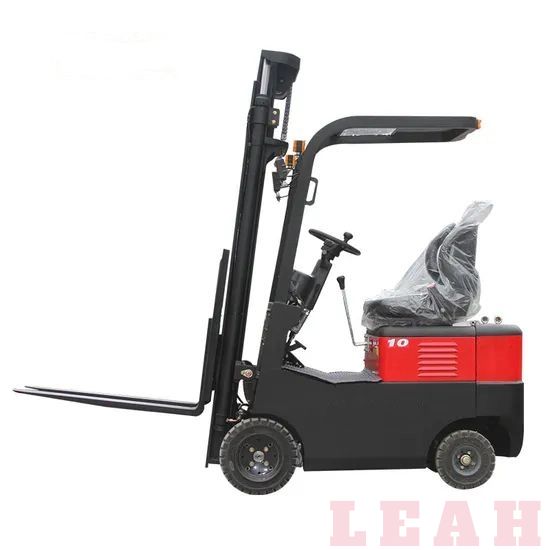
1. Pre-Operation Inspection (Mandatory Before Each Shift)
This stage ensures the forklift is in safe working condition before use. Never operate a forklift if any item fails inspection; report issues to maintenance immediately.
| Category | Inspection Items | Safety Standards |
|---|---|---|
| Battery & Charging System | - Battery charge level (check gauge/indicator) - Battery terminals (looseness, corrosion) - Battery water level (for flooded batteries) - Charging cable (damage, fraying) - Battery compartment (secure, no leaks) | - Charge level ≥ 80% (avoid deep discharge, which shortens battery life) - No corrosion (clean with baking soda solution if present) - Water level 1/4" above plates (use distilled water only) - No cable damage (replace frayed cables immediately) - Compartment latches locked (prevents battery shifting) |
| Controls & Operation | - Steering wheel (smooth movement, no play) - Accelerator/brake pedals (responsive, no sticking) - Horn (loud, clear) - Lights (headlights, taillights, turn signals) - Backup alarm (audible from 50+ feet) - Hydraulic controls (lift/lower/tilt functions work smoothly) - Parking brake (holds forklift on a 5° incline) | - Steering: No excessive play (more than 10° of free movement = unsafe) - Pedals: Brake stops forklift within 10 feet at low speed - Horn/Alarm: Audible over workplace noise (e.g., machinery, traffic) - Lights: All bulbs functional (critical for low-visibility areas) - Hydraulics: No jerky movements or fluid leaks - Parking brake: No rolling when engaged |
| Tires & Wheels | - Tire pressure (for pneumatic tires) - Tire tread (wear, cuts, or embedded debris) - Wheel nuts (tightness) - Caster wheels (free rotation) | - Pneumatic tires: Follow manufacturer’s pressure specs (underinflation causes instability) - Tread: No bald spots (tread depth ≥ 1/8" for safety) - No cracks/cuts in tires (can lead to blowouts) - Wheel nuts: No looseness (use a torque wrench if unsure) |
| Hydraulic System | - Hydraulic fluid level (check dipstick/reservoir) - Hydraulic hoses/fittings (leaks, cracks) - Lift chains (tightness, rust, or broken links) - Forks (bends, cracks, or uneven wear) | - Fluid level: Between "MIN" and "MAX" marks (use recommended fluid type) - No leaks (even small drips indicate a problem) - Chains: No slack (1/2" of play max) or rust - Forks: No visible bends; check "fork angle" (should be parallel) |
| Operator Cab & Safety Gear | - Seatbelt (functional, no fraying) - Operator seat (secure, no damage) - Mirrors (clean, adjusted) - Fire extinguisher (charged, accessible) - First-aid kit (stocked, within reach) | - Seatbelt: Latches securely (never operate without it) - Seat: No wobbling (prevents operator instability) - Mirrors: Clear view of rear/side traffic - Fire extinguisher: Check pressure gauge (green = charged); rated for electrical fires (Class C) |
2. Operation Safety (Follow During Use)
Safe operation minimizes collision risks, tip-overs, and load-related accidents. Always adhere to workplace speed limits and traffic rules.
Key Safety Rules:
- Load Handling
- Center the load on the forks (prevents tip-overs).
- Keep the load as low as possible when traveling (max 6-8 inches off the ground for stability).
- Never exceed the forklift’s rated capacity (check capacity plate—overloading is a top cause of tip-overs).
- Tilt the load back slightly when lifting/moving (prevents load slippage).
- Movement & Visibility
- Travel at a safe speed (typically 5 mph in warehouses; 2 mph in narrow aisles or near pedestrians).
- Sound the horn at intersections, blind corners, doorways, and when approaching pedestrians.
- Use turn signals when changing direction (alert others of your path).
- Maintain a clear view—if the load blocks forward visibility, travel in reverse (use mirrors and backup alarm).
- Pedestrian & Workplace Safety
- Yield to pedestrians (they always have the right of way).
- Avoid driving over loose debris, oil spills, or uneven surfaces (can cause skidding).
- Do not drive near edge of ramps, docks, or elevated surfaces (maintain a 3-foot minimum distance).
- Never carry passengers (forklifts are designed for 1 operator only).
- Emergency Protocols
- If the forklift tips over: Stay in the cab (do not jump—risk of being crushed by the equipment). Hold the steering wheel and brace your feet.
- If a fire occurs: Use the on-board fire extinguisher (aim at the base of the fire) and evacuate if the fire spreads.
- If the battery leaks acid: Wear gloves/goggles, neutralize with baking soda, and clean up immediately (acid is corrosive).
3. Post-Operation Procedures (After Each Shift)
Proper post-operation care extends equipment life and ensures safety for the next operator.
- Park the Forklift Safely
- Stop on a level surface (never park on an incline unless using wheel chocks).
- Engage the parking brake.
- Lower the forks completely to the ground (do not leave forks elevated).
- Turn off the ignition and remove the key.
- If parking on a ramp (only in emergencies), place wheel chocks on both sides of the tires.
- Inspect & Report Issues
- Check for new damage (e.g., bent forks, leaking hoses) or wear.
- Report any malfunctions to maintenance (do not leave unaddressed for the next shift).
- Battery Maintenance
- If the battery is low (≤ 20% charge), connect it to the charger (follow charging safety rules: no smoking near batteries, wear eye protection).
- For flooded batteries: Check water level after charging (add distilled water if needed).
- Keep the battery compartment clean (wipe away dust or acid residue).
- Clean the Forklift
- Wipe down the cab, mirrors, and lights (ensures visibility for the next operator).
- Remove debris from forks or undercarriage (prevents damage to the hydraulic system).
4. Monthly/Quarterly Maintenance (Scheduled Checks)
In addition to daily checks, schedule professional maintenance to address long-term wear:
- Test the forklift’s emergency stop function.
- Inspect the electrical system (wiring, fuses, motor).
- Lubricate moving parts (e.g., steering joints, lift chains).
- Calibrate the load capacity gauge (ensures accuracy).
- Check the brake system (pads, rotors, fluid level).
Final Note
- Only trained and certified operators should use electric forklifts (OSHA and most regional safety standards require certification).
- Review this checklist with operators regularly (quarterly safety meetings) to reinforce good habits.
By following this checklist, workplaces can reduce electric forklift accidents by up to 70% (per industry safety data) and extend equipment lifespan by 3-5 years.